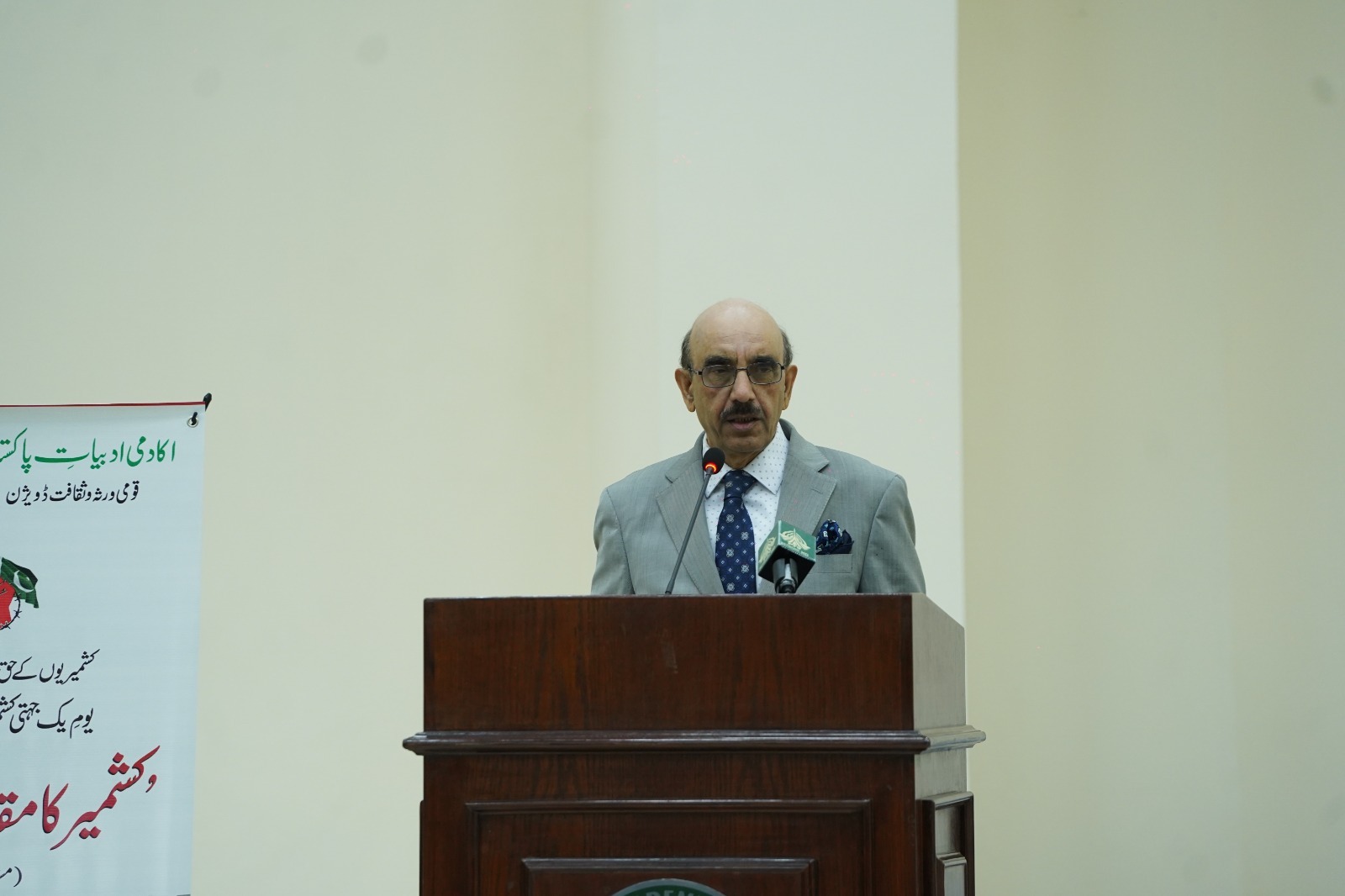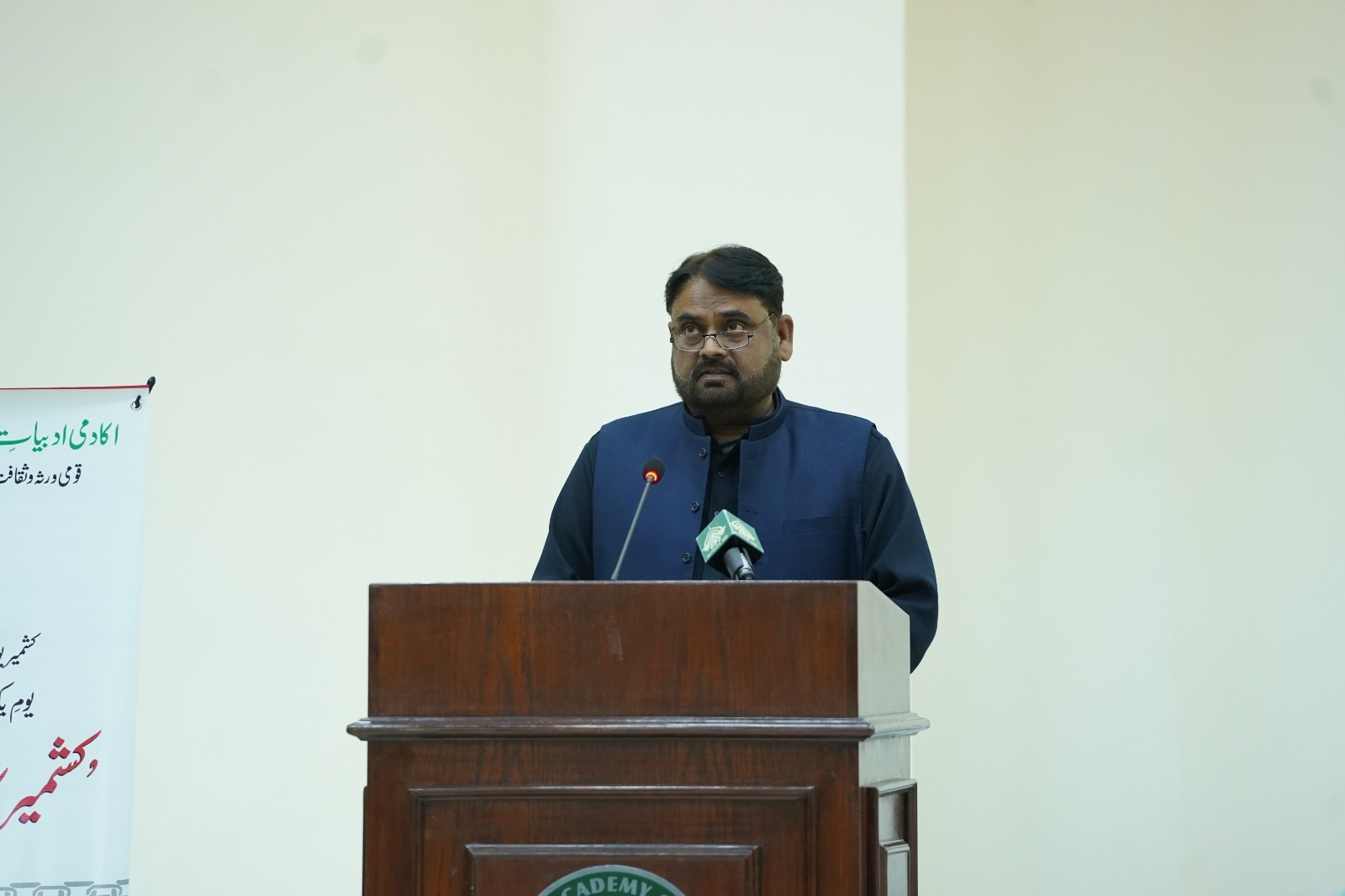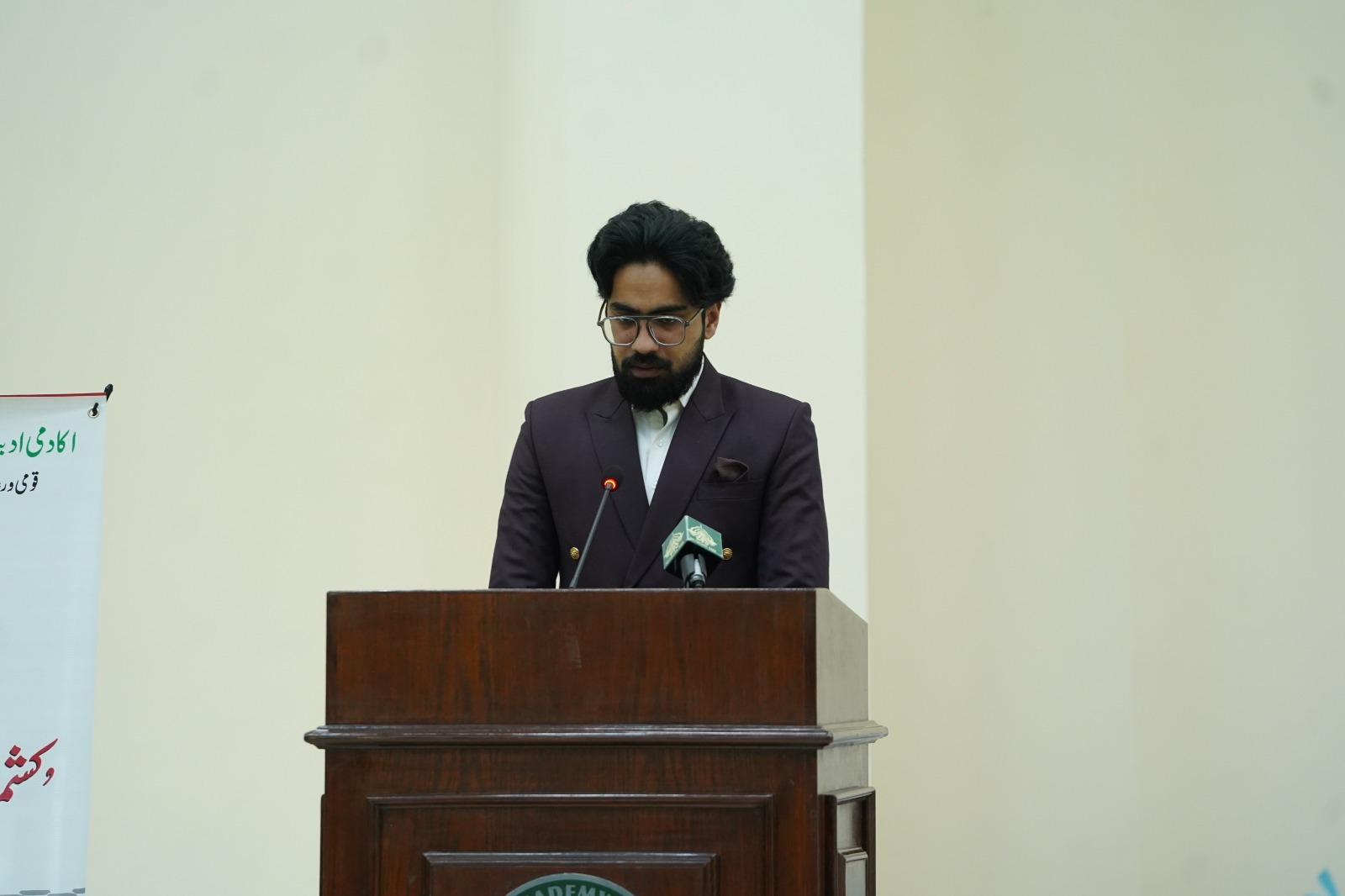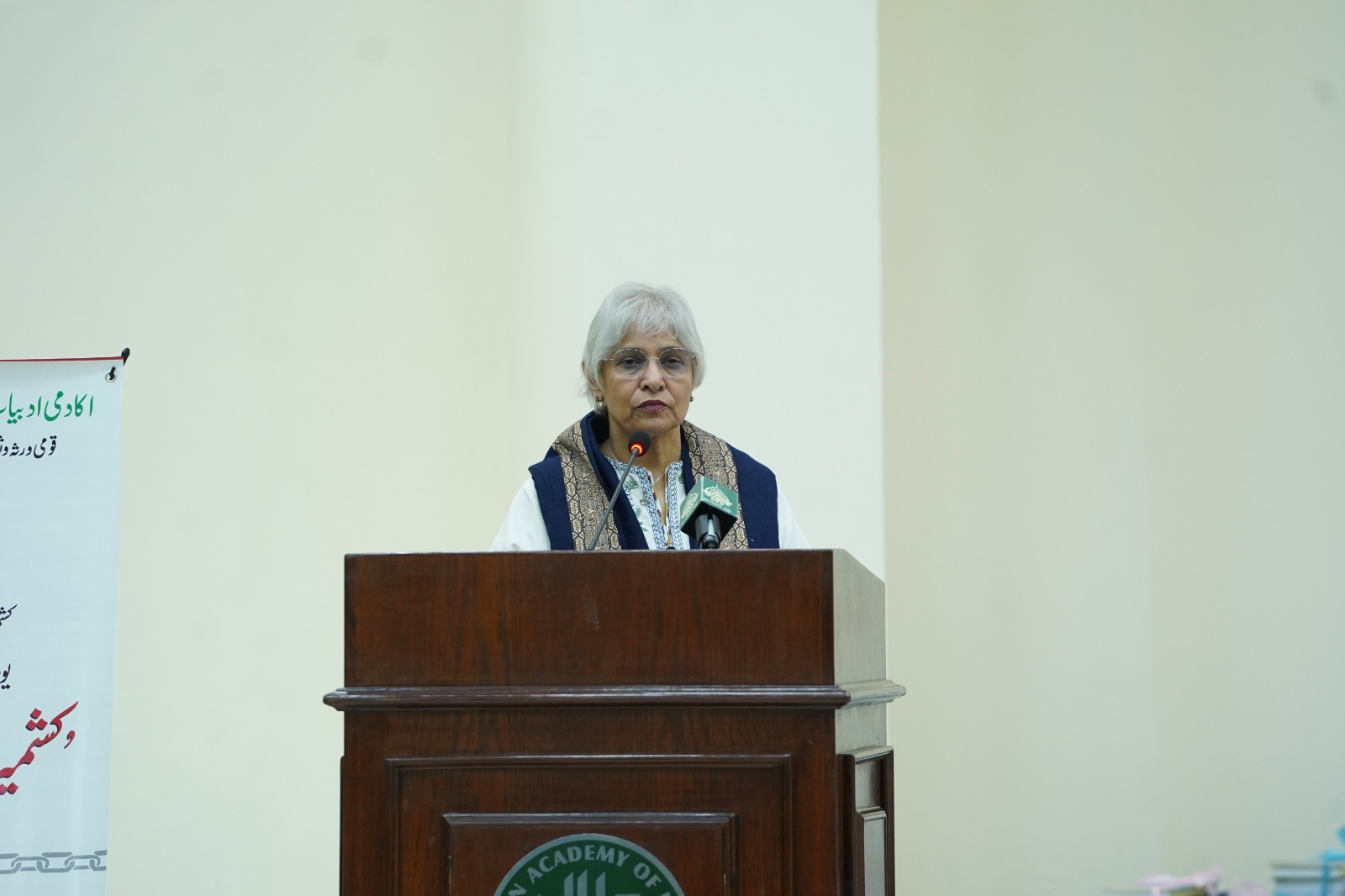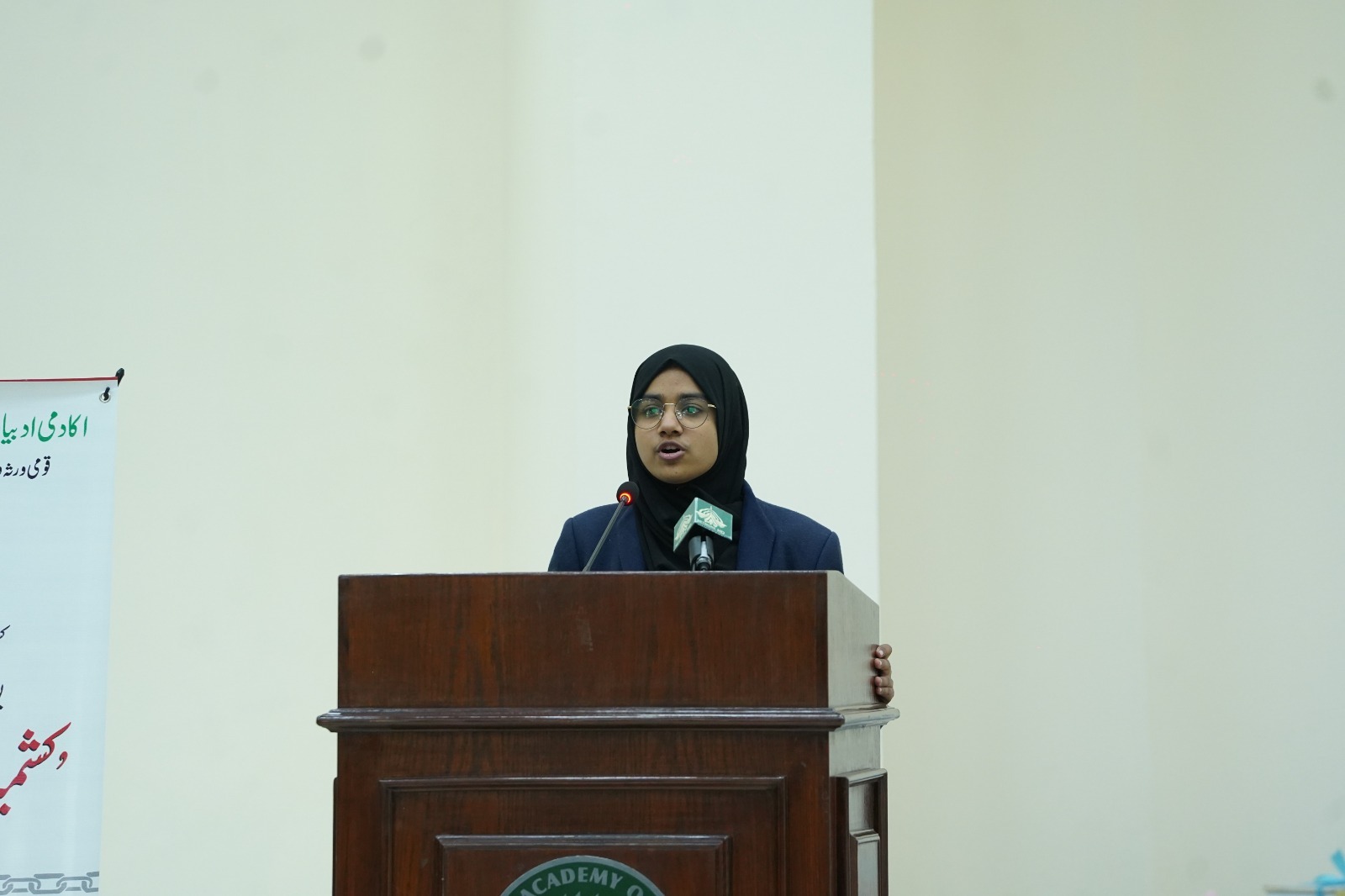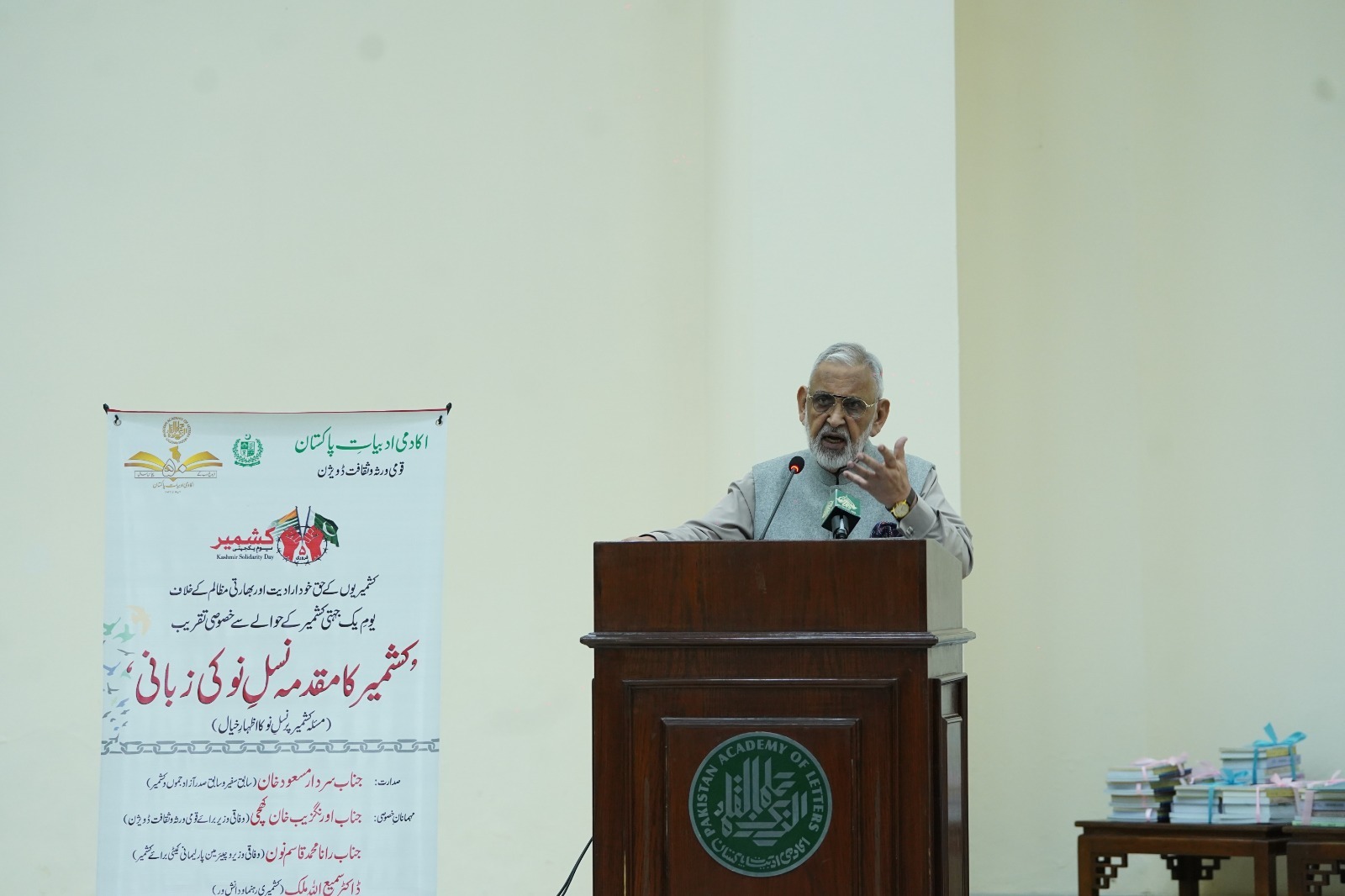
"After victory in the battle of truth, we should present the Kashmir issue before the world with renewed resolve and a stronger stance. — Sardar Masood Khan"
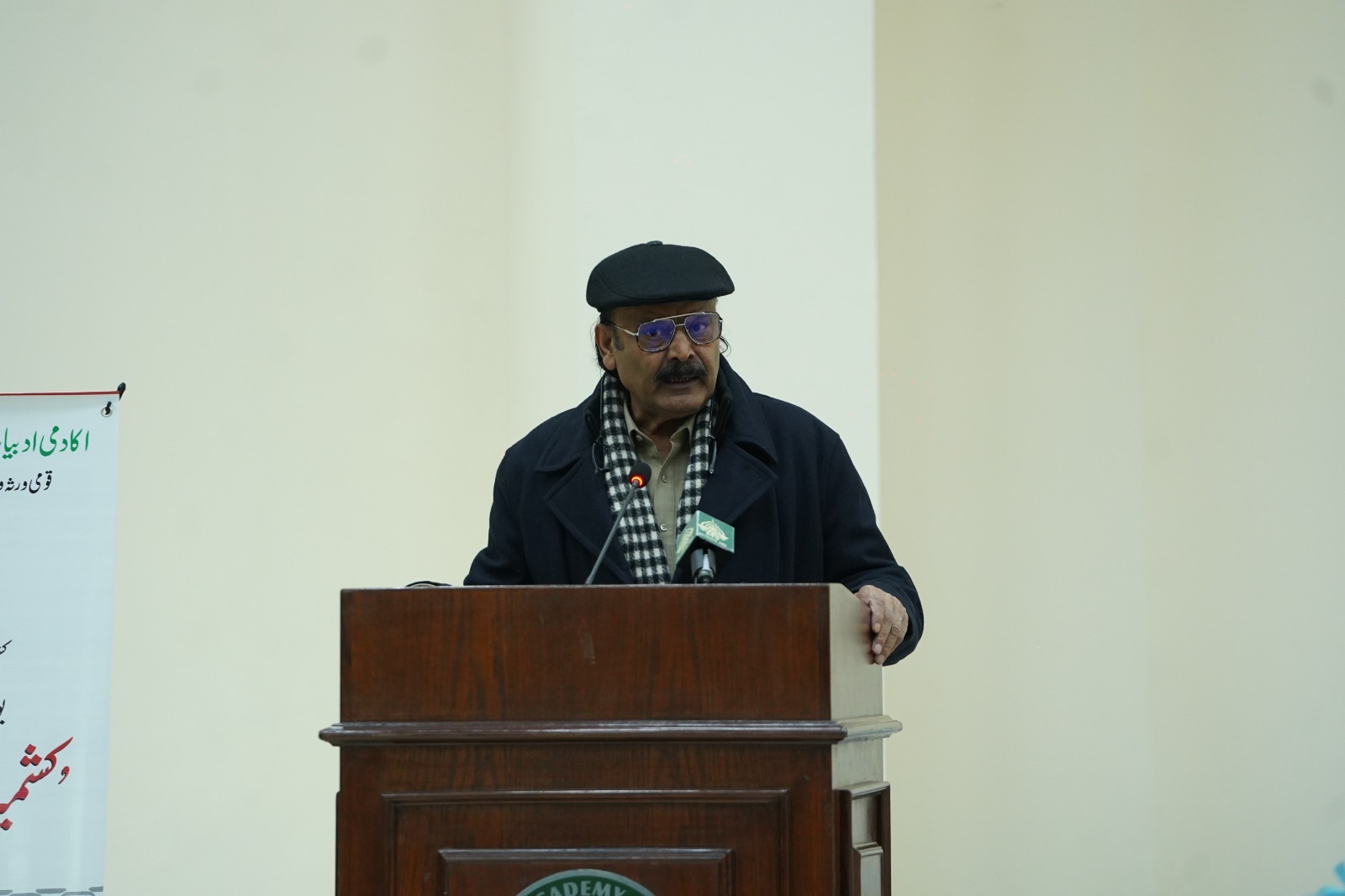
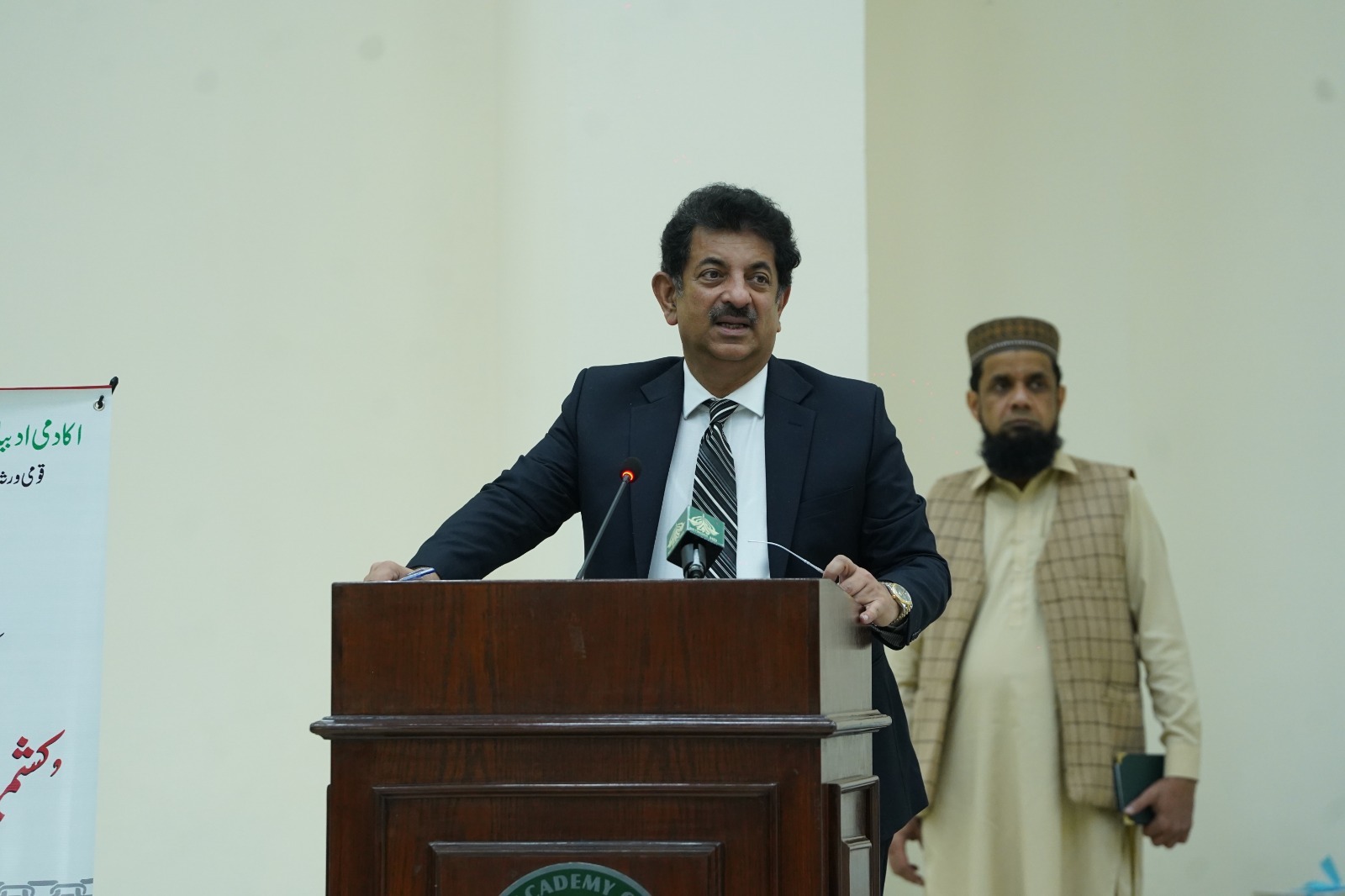
"Today's event reflects PAL's effective efforts on the Kashmir issue at intellectual and literary level. — Aurangzeb Khan Kachhi"
"The Kashmir issue should be made part of the curriculum so future generations remain aware of the struggle. — Rana Muhammad Qasim Noon"
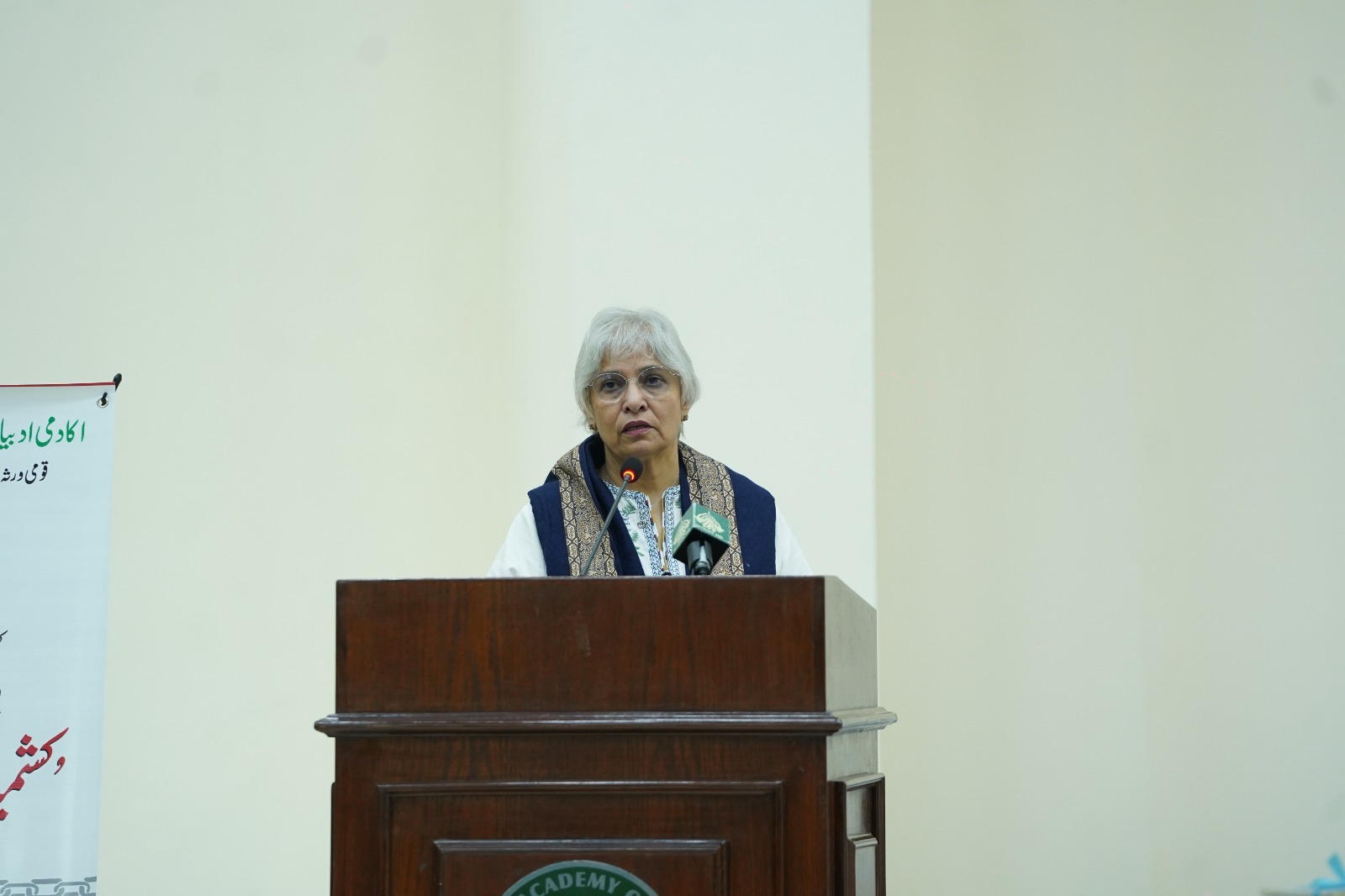
"The Kashmir issue should be kept alive at intellectual, literary and cultural levels rather than being limited to political rhetoric. — Dr. Najeeba Arif"
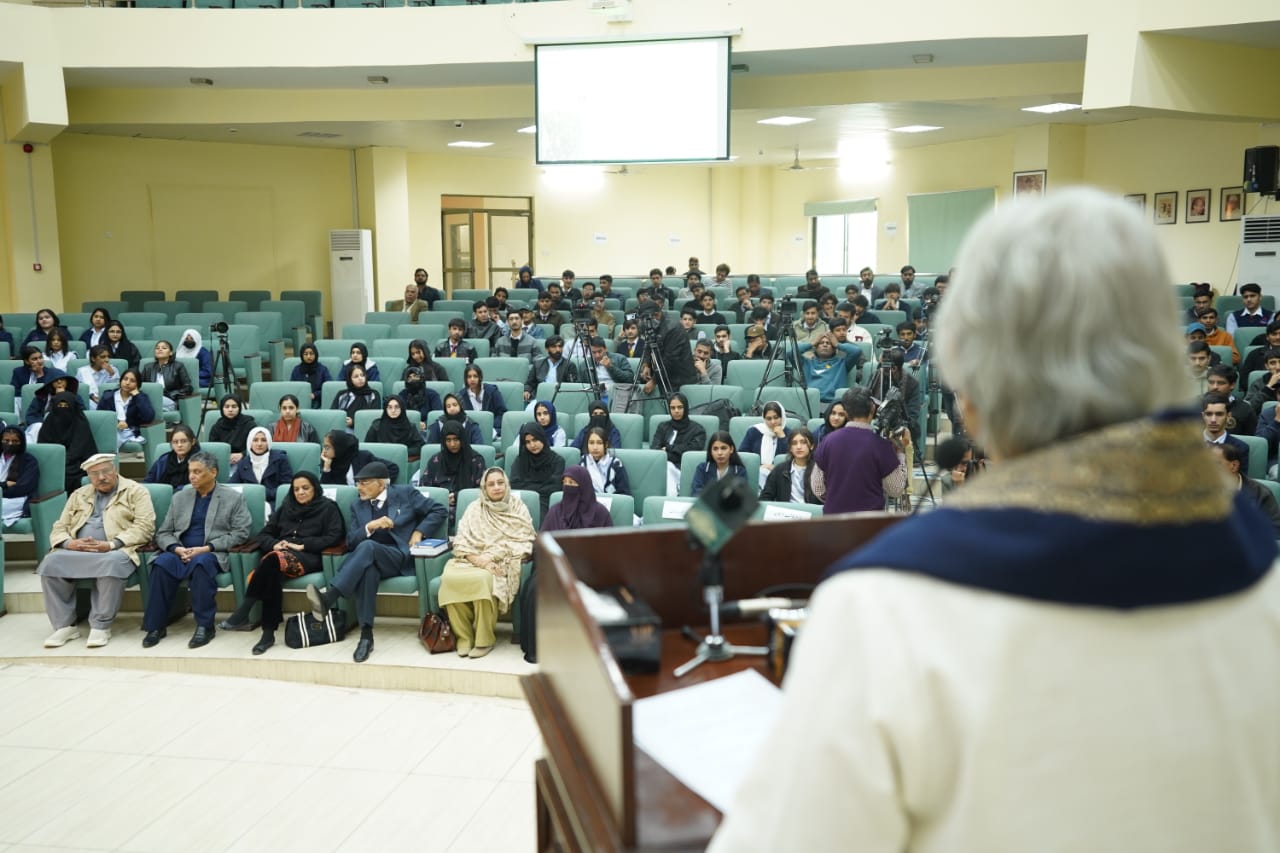
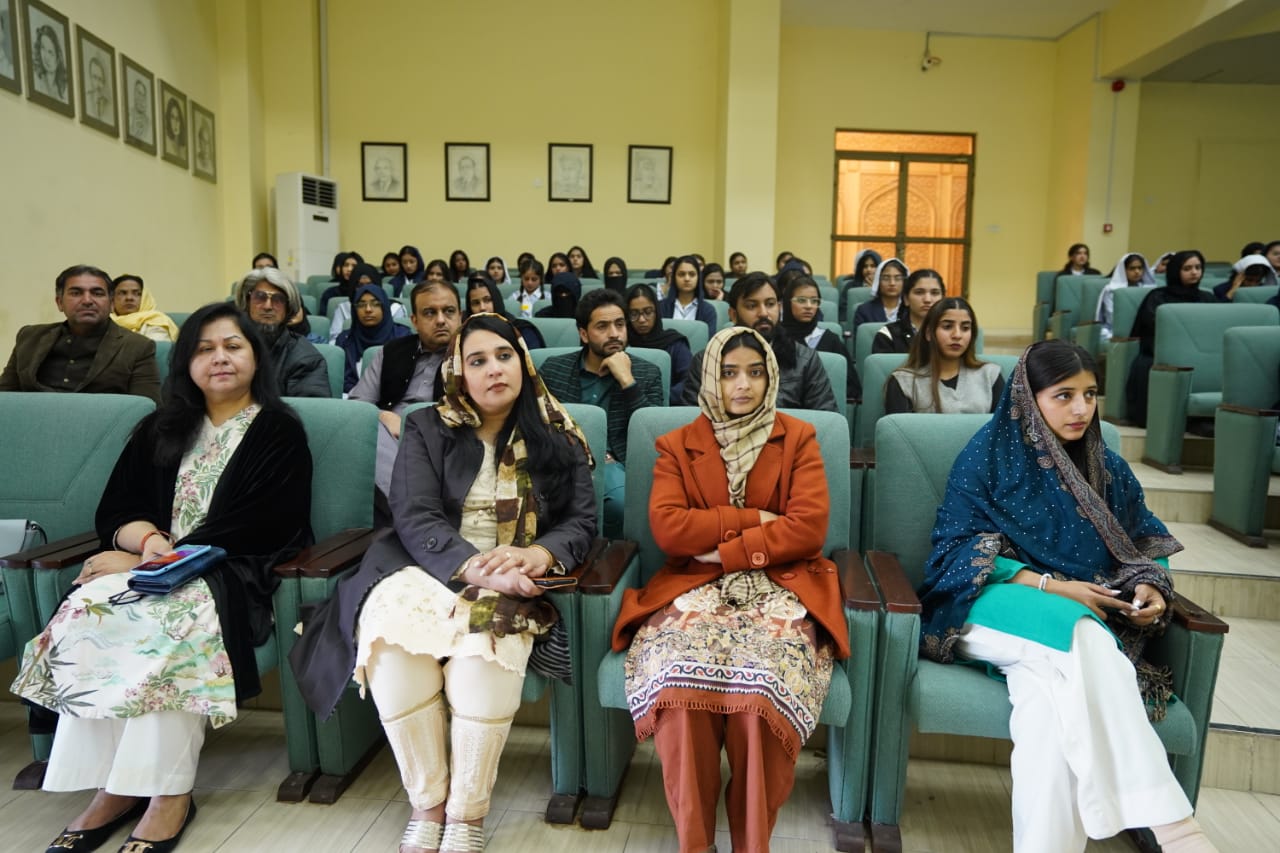
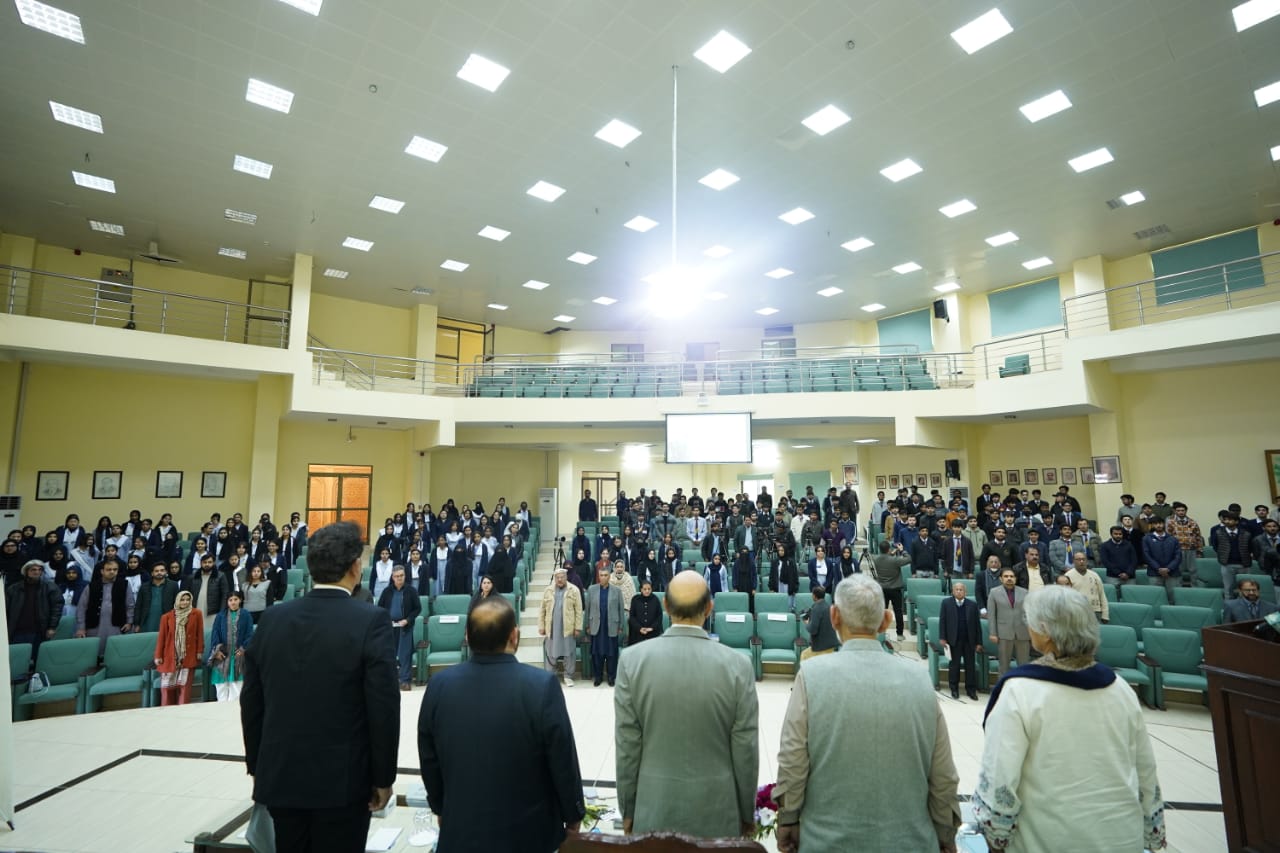
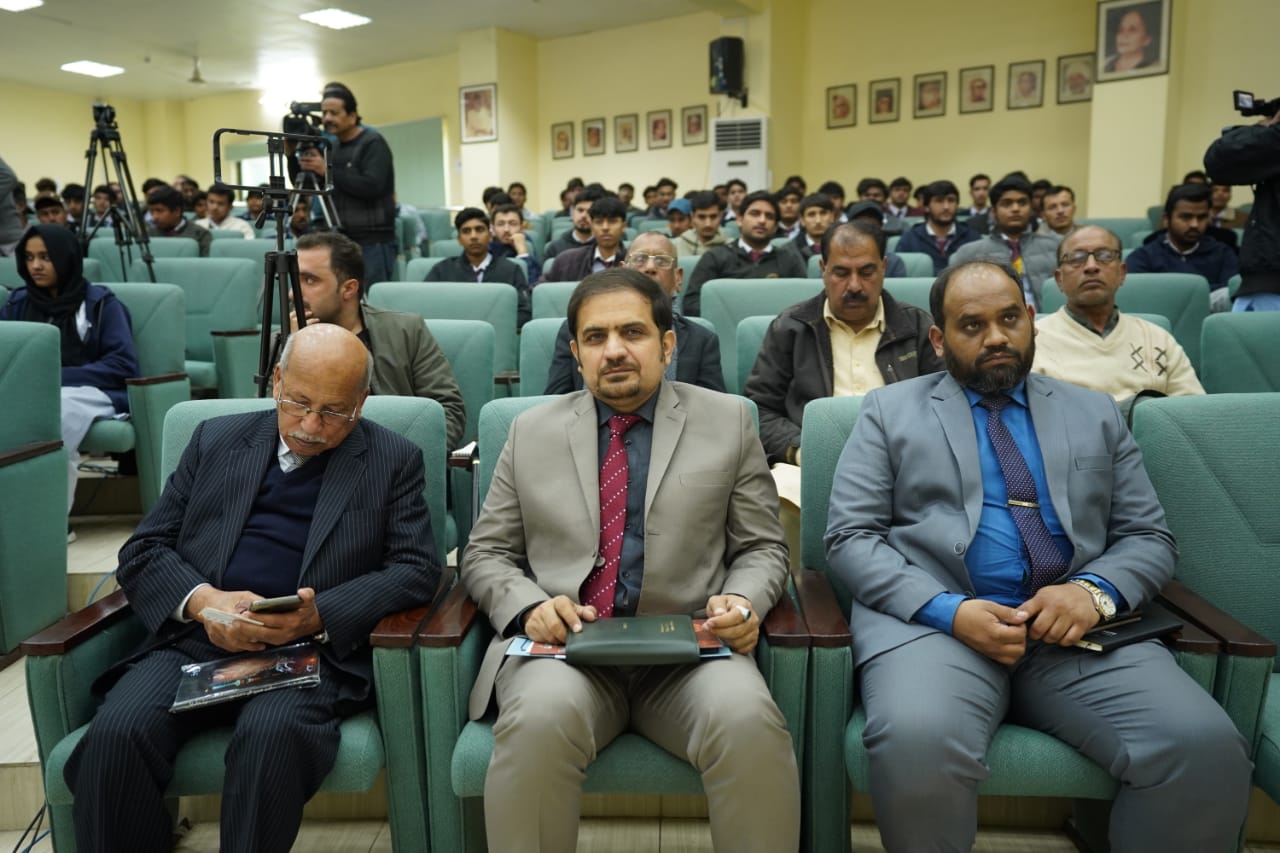
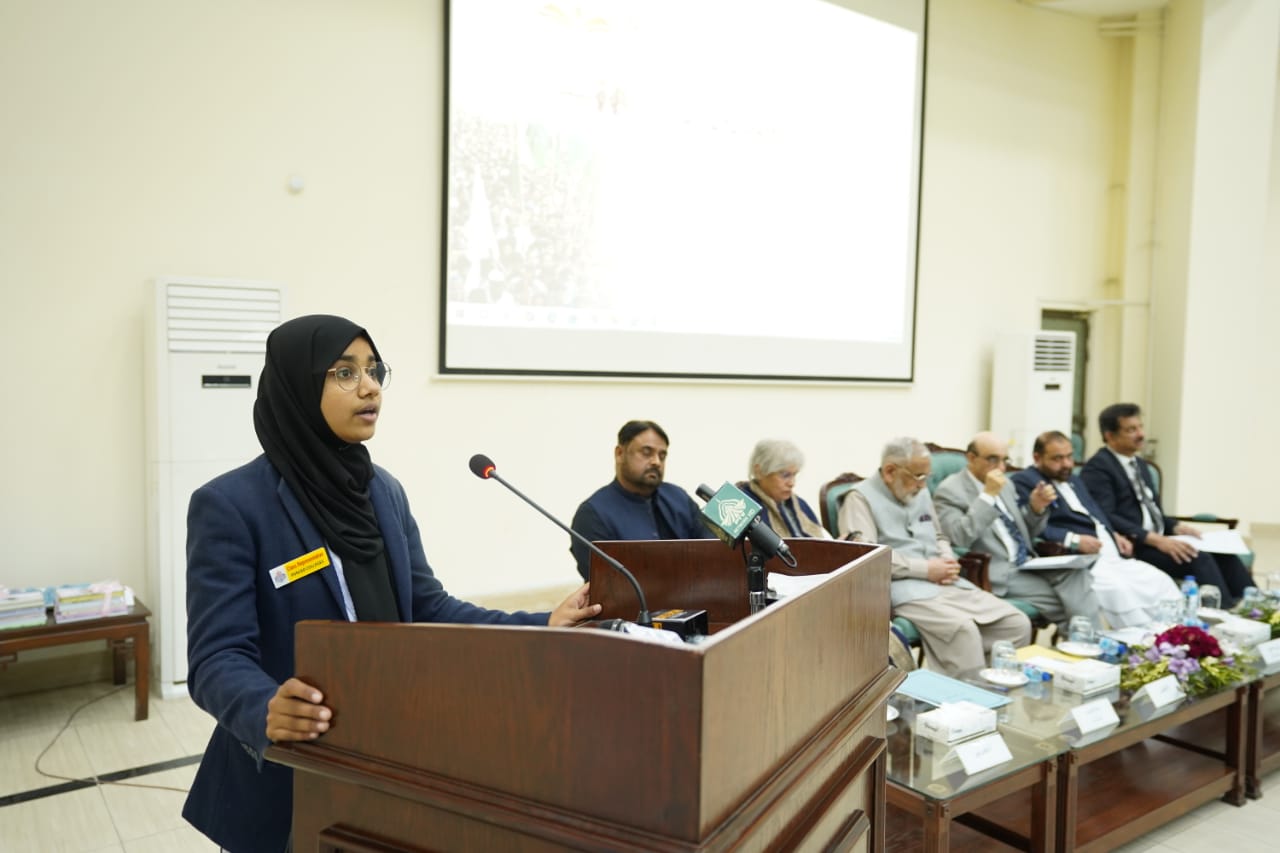
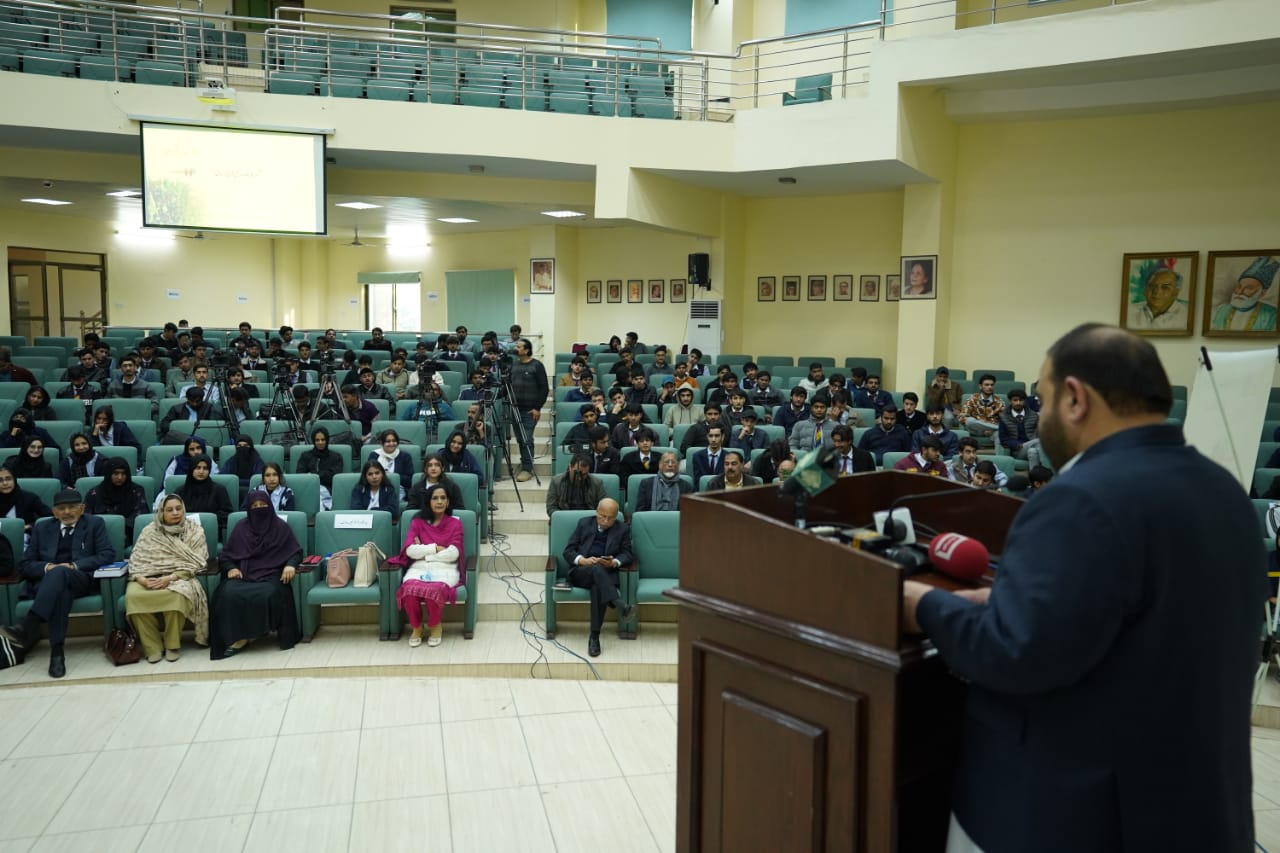
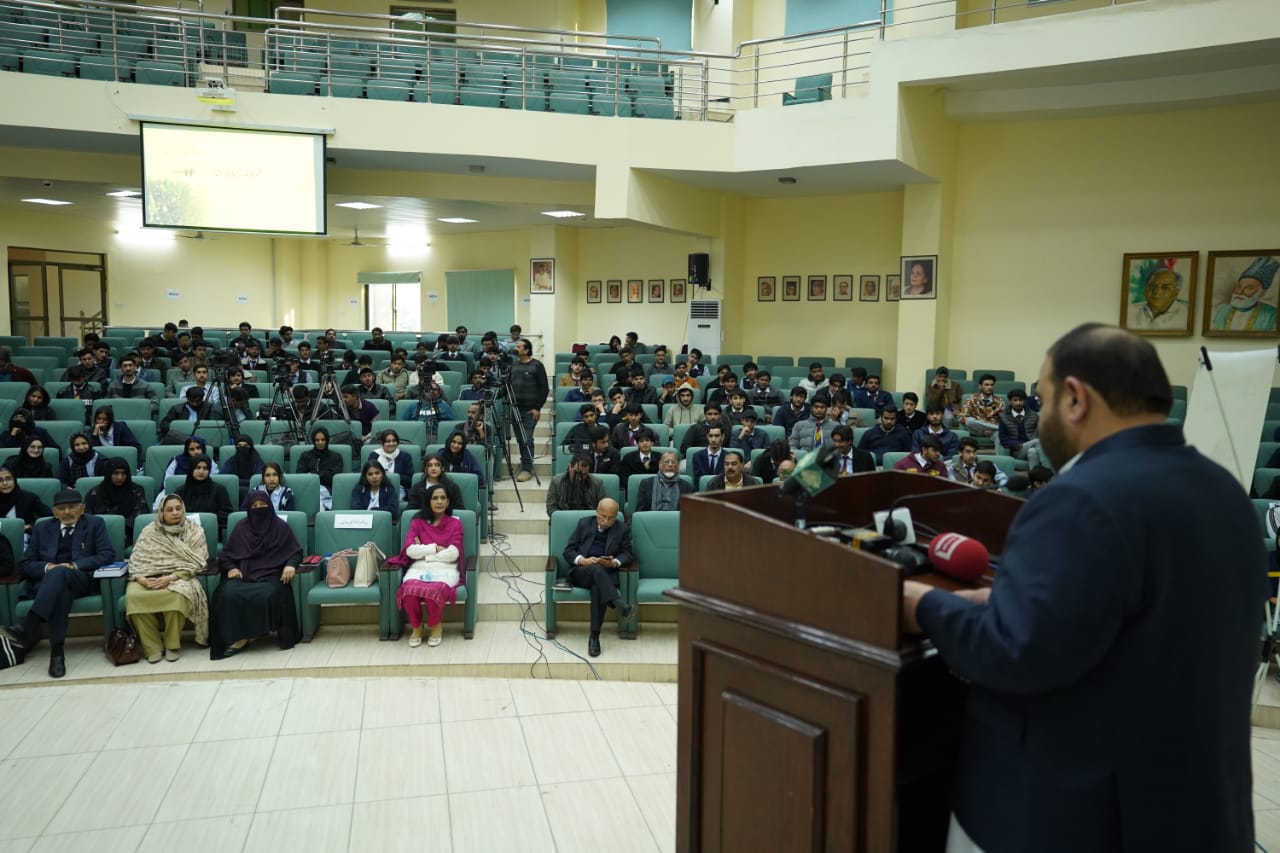
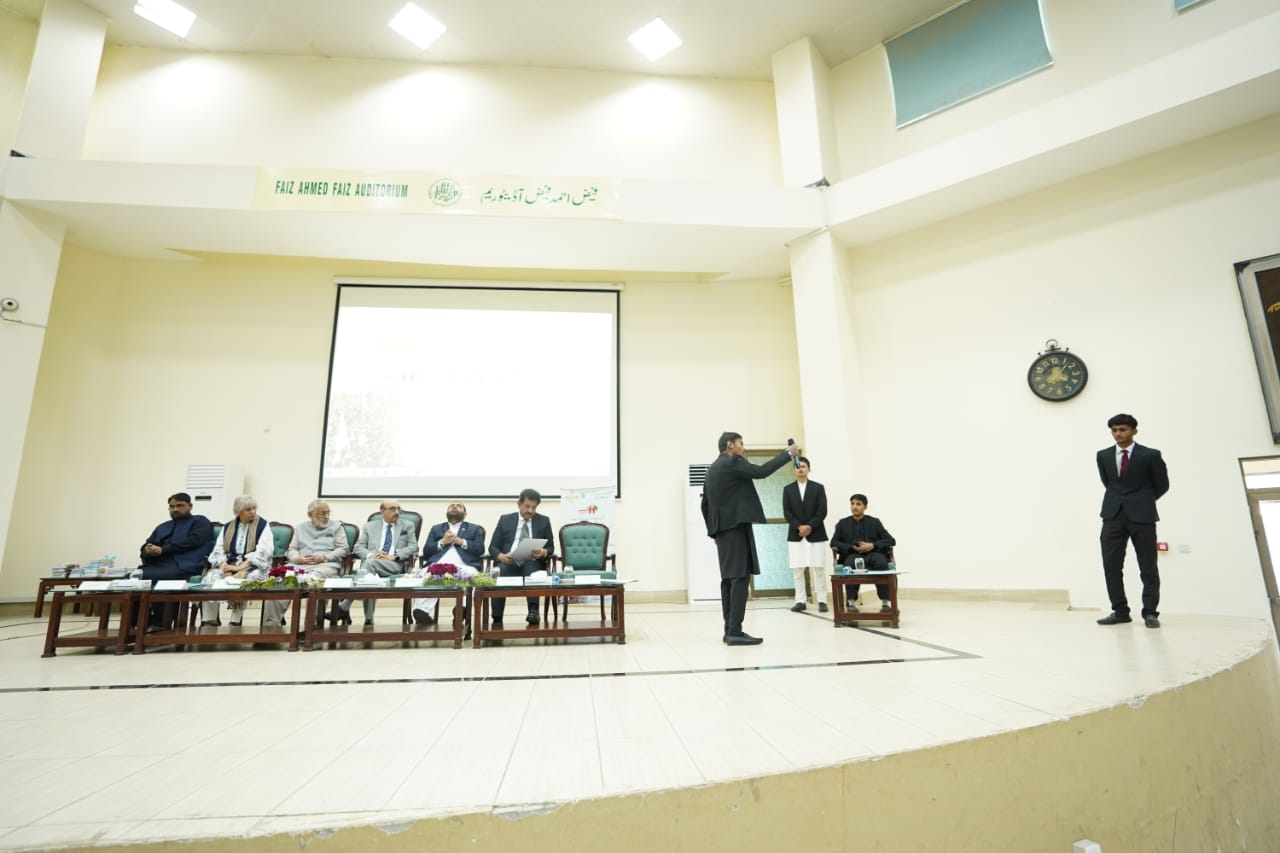
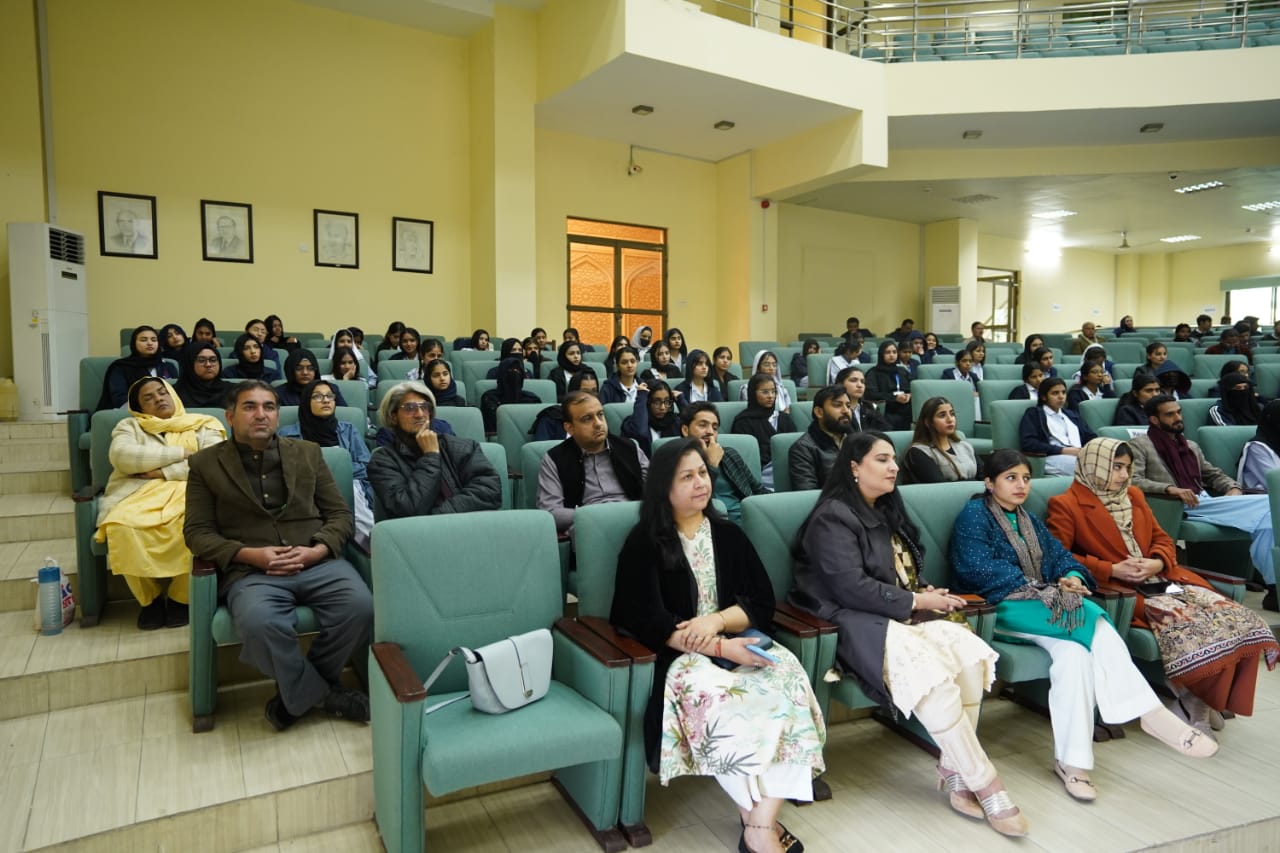
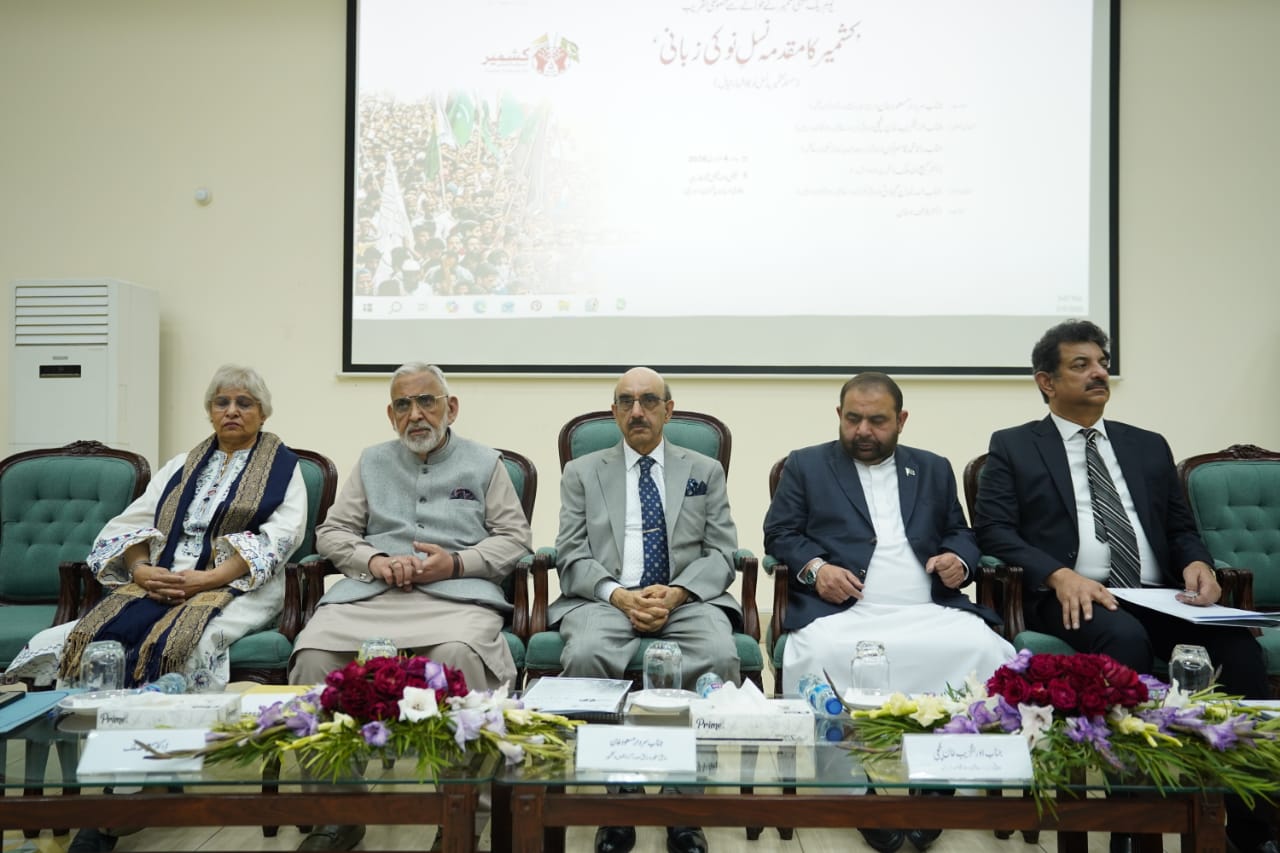
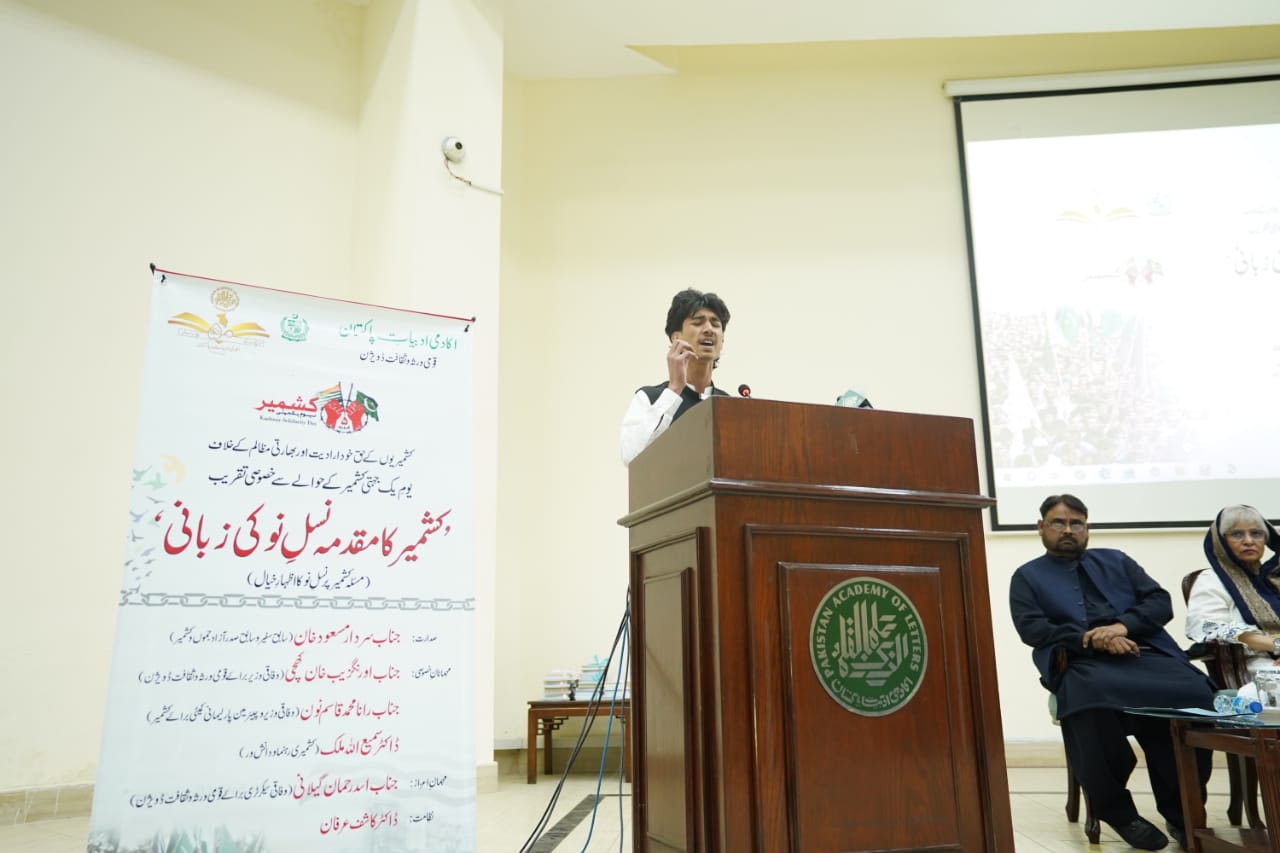
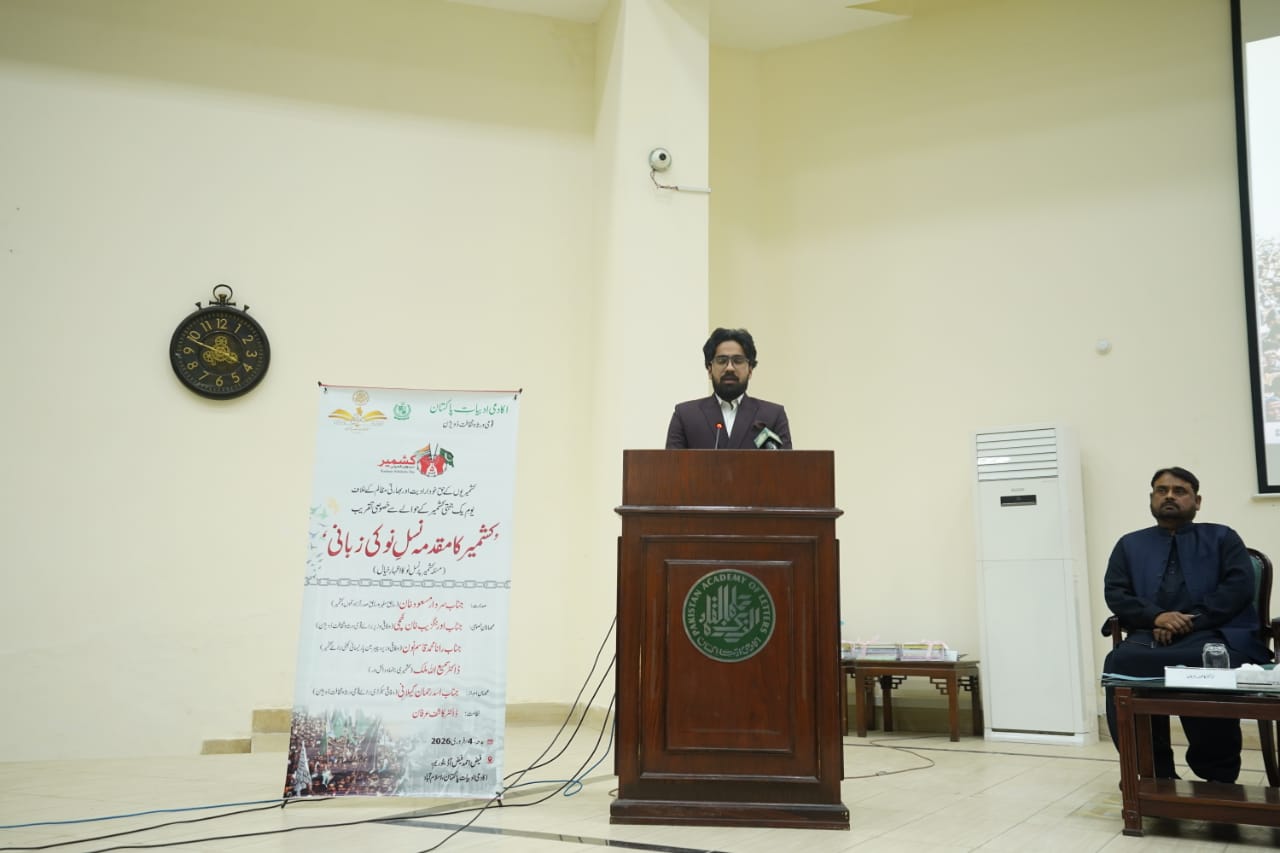
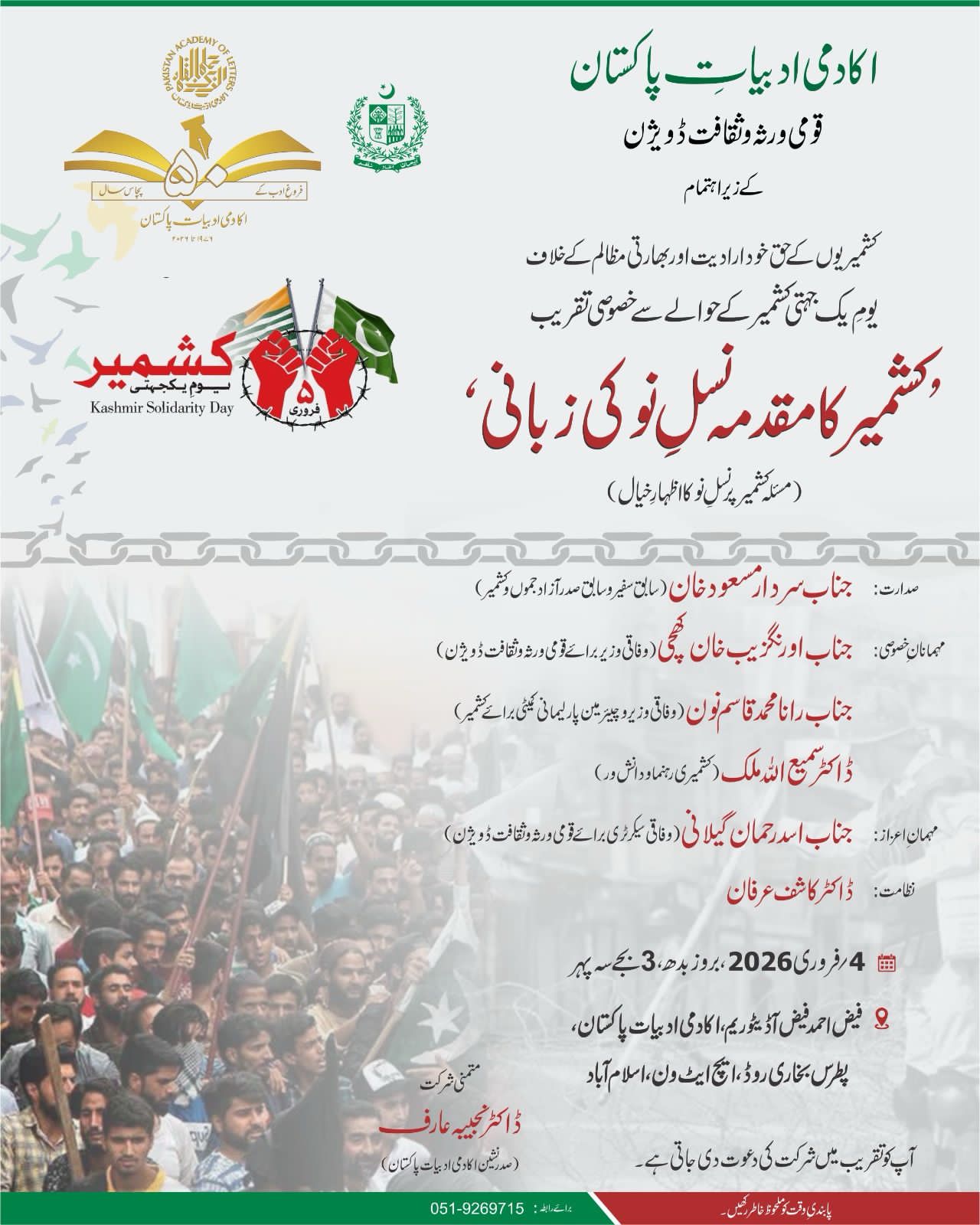
A special intellectual and literary event titled "The Case of Kashmir: In the Voice of the New Generation" was organized by Pakistan Academy of Letters, National Heritage and Culture Division, at the Faiz Ahmed Faiz Auditorium, Sector H-8/1, Islamabad, on the occasion of Kashmir Solidarity Day.
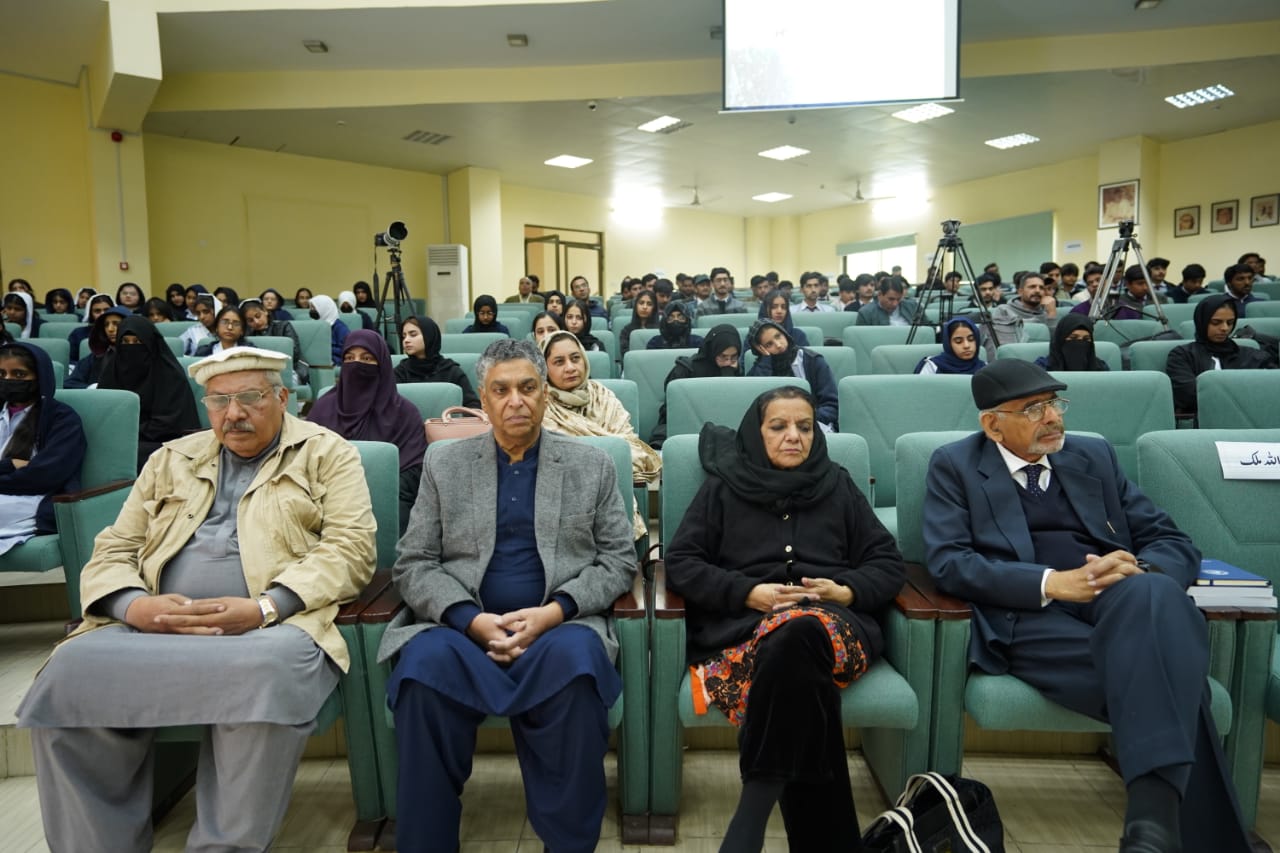
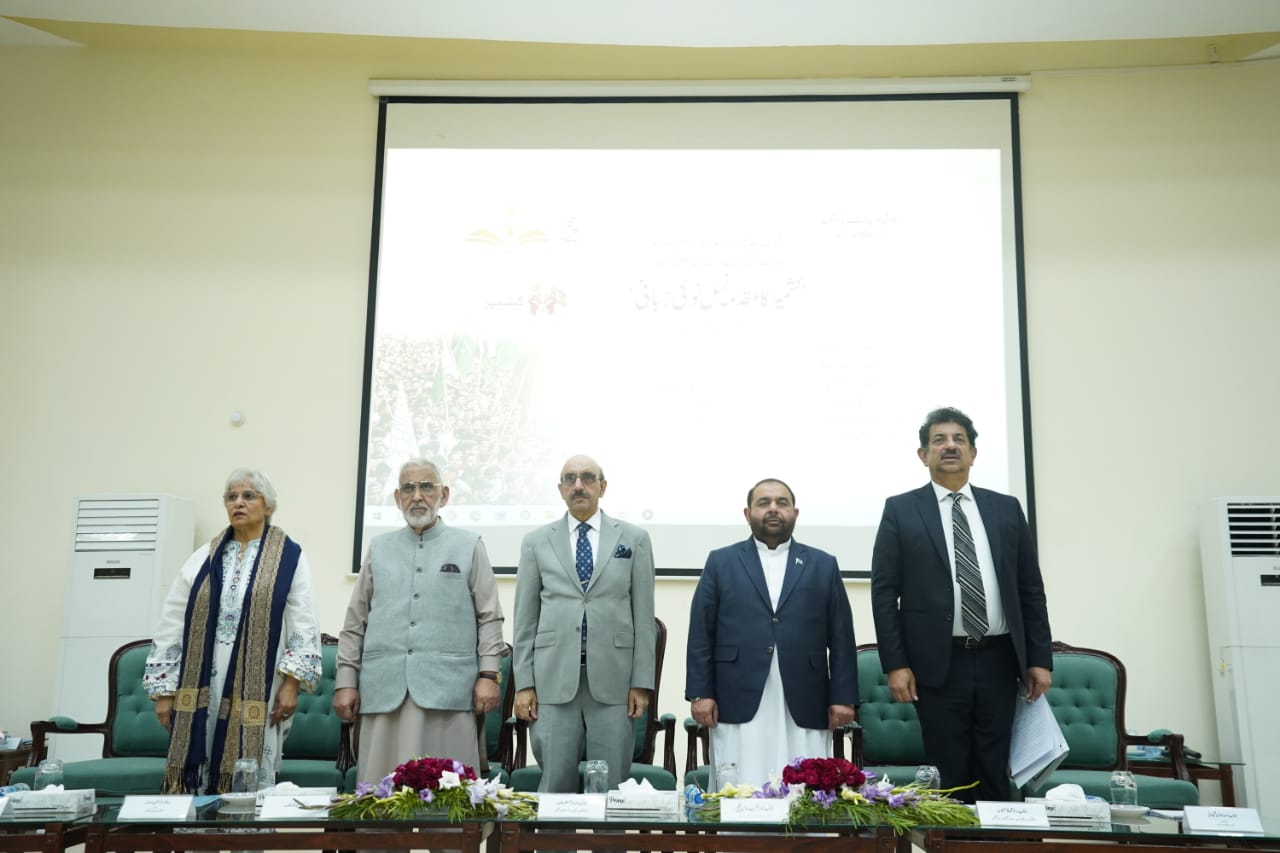
The event was presided over by Sardar Masood Khan, former Ambassador and former President of Azad Jammu & Kashmir. Distinguished guests included Federal Minister for National Heritage and Culture Division Aurangzeb Khan Kachhi, Federal Minister and Chairman Parliamentary Committee for Kashmir Rana Muhammad Qasim Noon, Kashmiri leader and intellectual Dr. Samee Ullah Malik, and Guest of Honor Federal Secretary for National Heritage and Culture Division Asad-ur-Rehman Gilani. The event was moderated by Dr. Kashif Irfan.
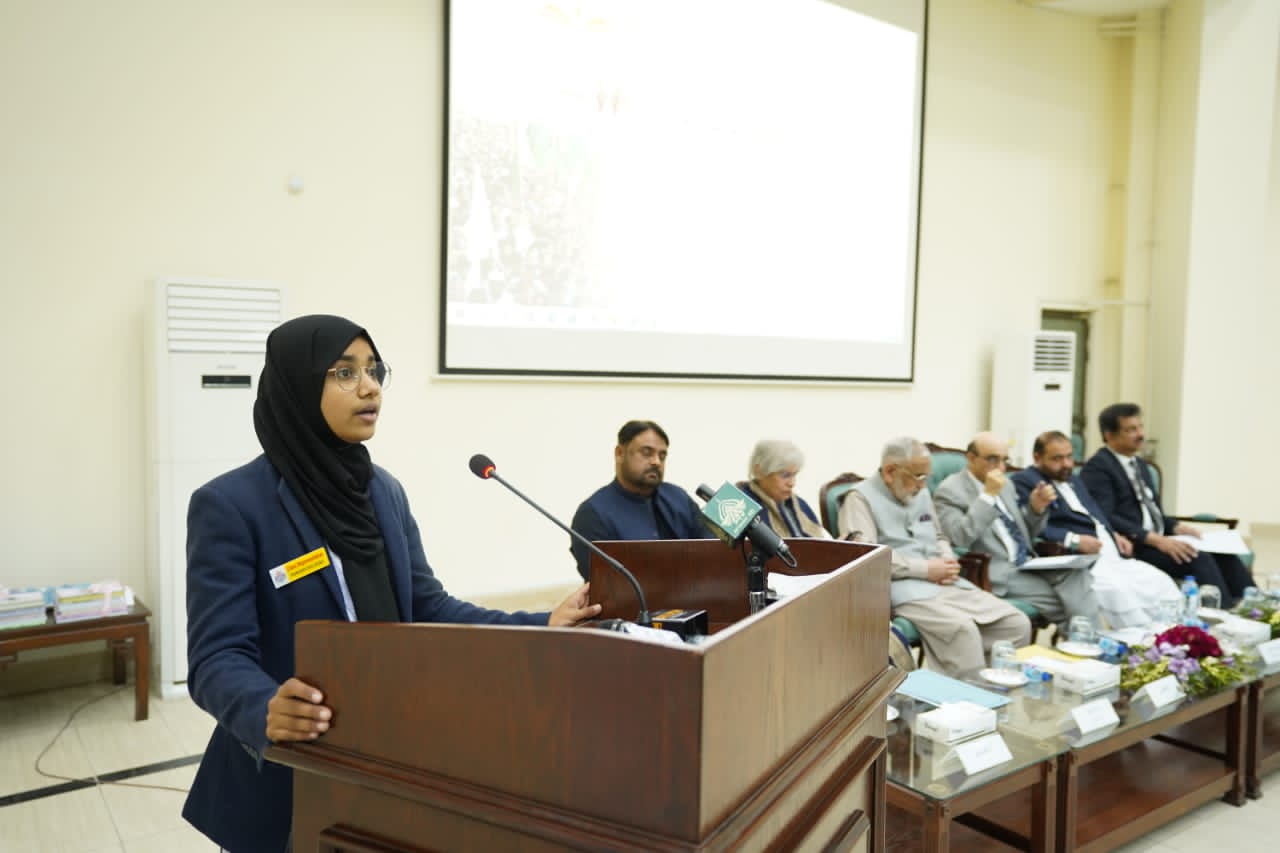
The ceremony began with the national anthem, followed by recitation of the Holy Quran by Hassan Ahmad, a student of Punjab Group of Colleges, and a Naat by Jabran Haider.
Chairperson Dr. Najeeba Arif, in her welcome address, said the purpose of the event was to provide the younger generation an opportunity to express their views on the Kashmir issue, as the future of Kashmir lies in their hands. She emphasized that Pakistan is incomplete without Kashmir. She stated that this event on Kashmir Solidarity Day reflects the resolve to keep the Kashmir issue alive at intellectual, literary, and cultural levels rather than limiting it to mere political rhetoric. She thanked Punjab Group of Colleges administration and teachers, noting that students demonstrated their intellectual commitment through active participation and dialogue. She also acknowledged Government Postgraduate College H-9, whose students performed a drama on "The Case of Kashmir," effectively highlighting the suffering and struggle of Kashmiri people through artistic expression.
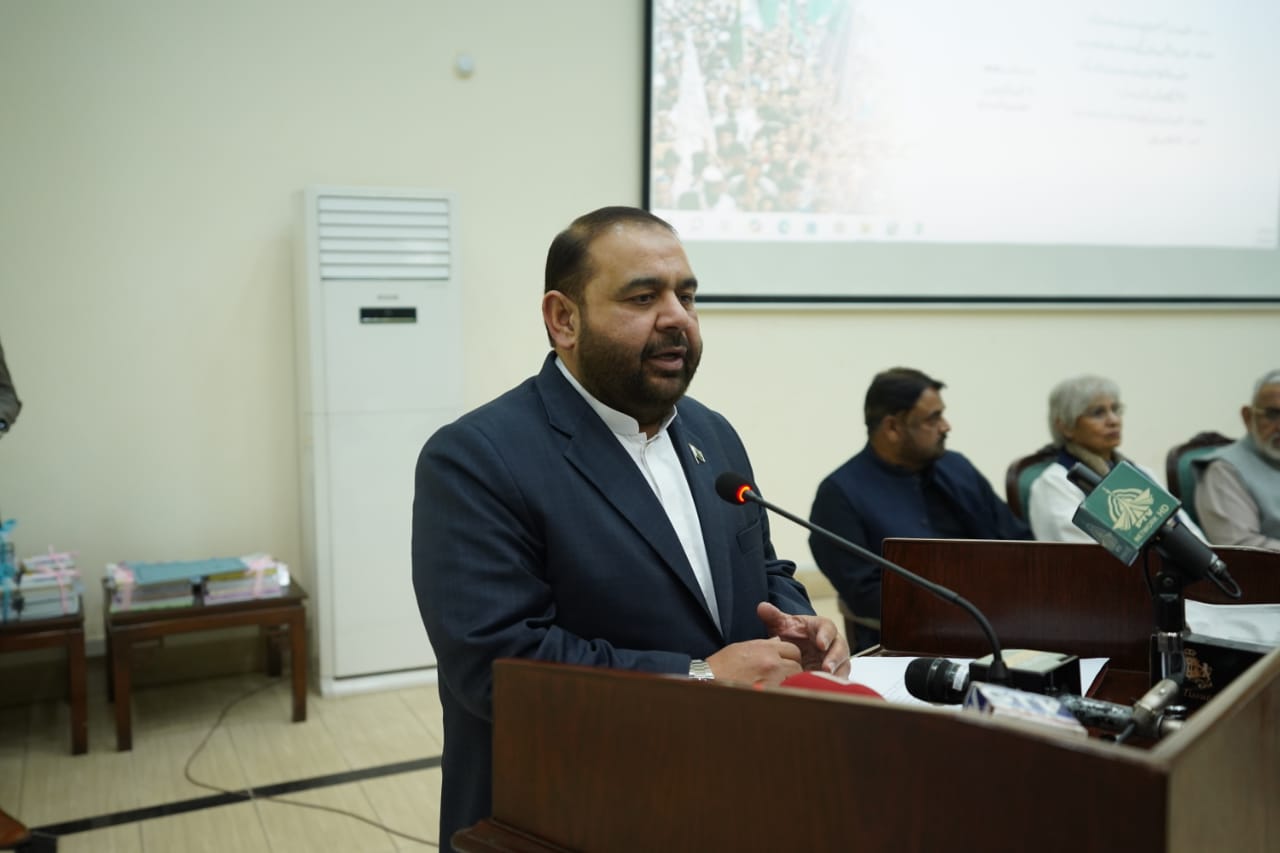
Federal Minister Aurangzeb Khan Kachhi said it was reassuring to see the passion and commitment of the younger generation. The Kashmir issue cannot be forgotten — it is a serious humanitarian and global issue. He stated that the government is highlighting this issue vigorously at international forums, particularly the United Nations.
Federal Secretary Asad-ur-Rehman Gilani said the Kashmir issue is part of our cultural responsibilities, and we must continue intellectual and cultural efforts to keep this narrative alive.
Dr. Samee Ullah Malik shed light on the historical background, international status, and sacrifices of the Kashmiri people, urging youth toward reflection, awareness, and intellectual awakening.
Federal Minister and Chairman Parliamentary Committee for Kashmir Rana Muhammad Qasim Noon stated that Kashmir is part of our existence. He drew parallels between the issues of Palestine and Kashmir, where people have been making sacrifices for a long time. He emphasized that the Kashmir issue should be made part of the curriculum so future generations remain aware of the Kashmiri people's struggle.
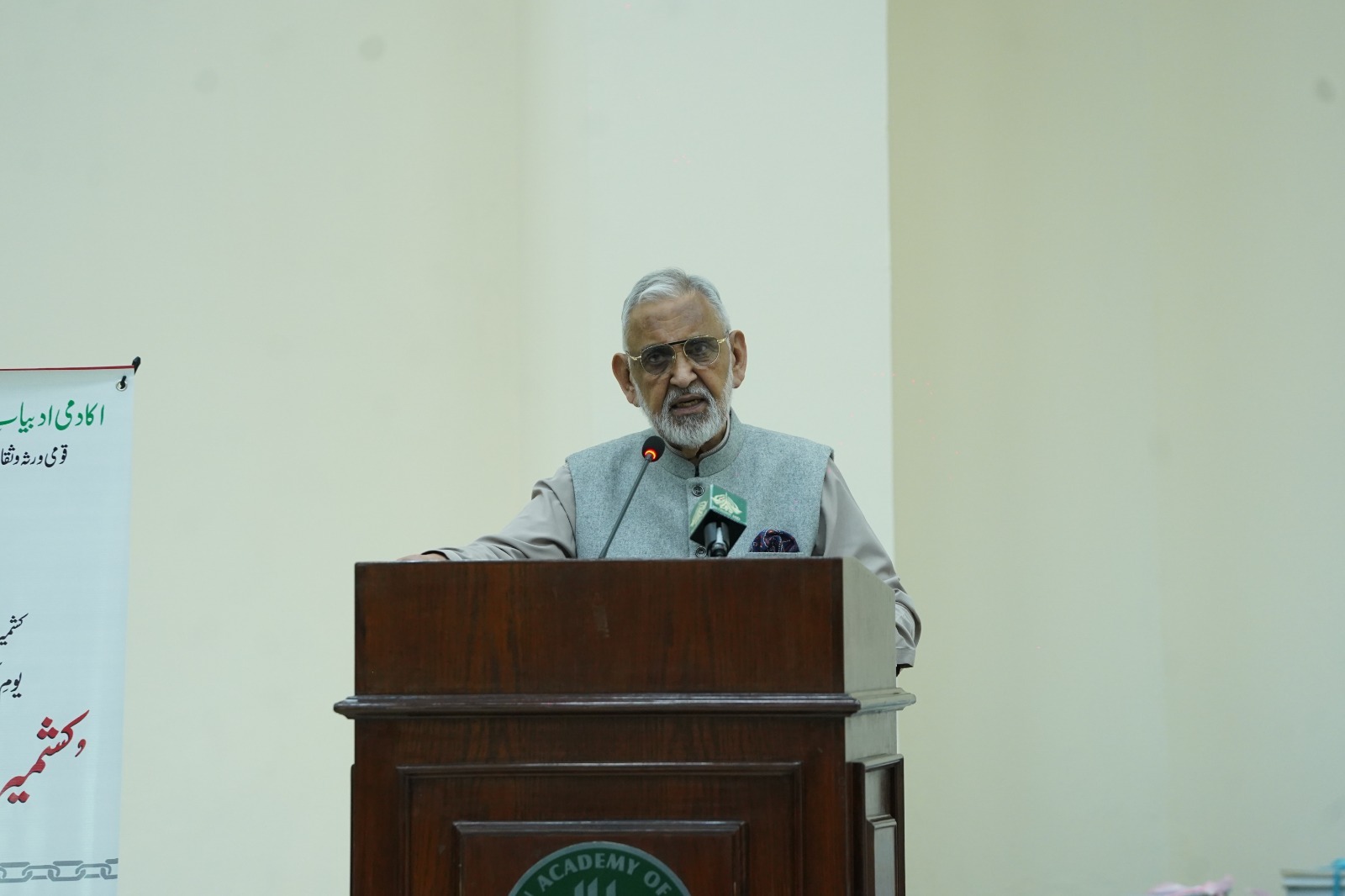
In his presidential address, Sardar Masood Khan said the long struggle of the Kashmiri people has become part of history. He stated that India has maintained its occupation of Kashmir through oppression, coercion, and inhumane tactics, attempting to convert the Muslim majority into a minority through genocide. He emphasized that after the victory in the battle of truth, Pakistan now has the opportunity to present the Kashmir issue before the world with renewed resolve and a stronger stance.
At the conclusion, PAL publications were distributed as gifts among the participating students.