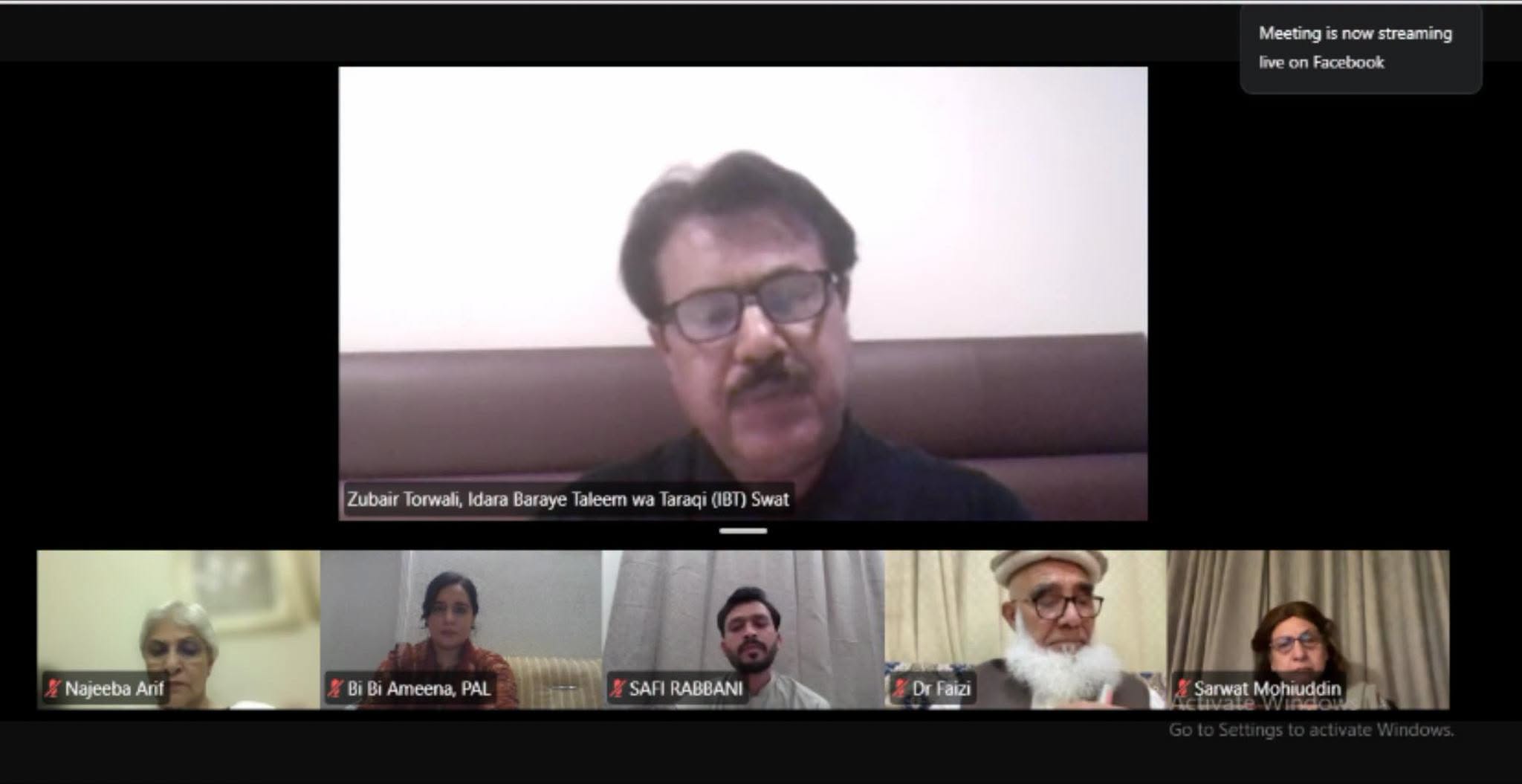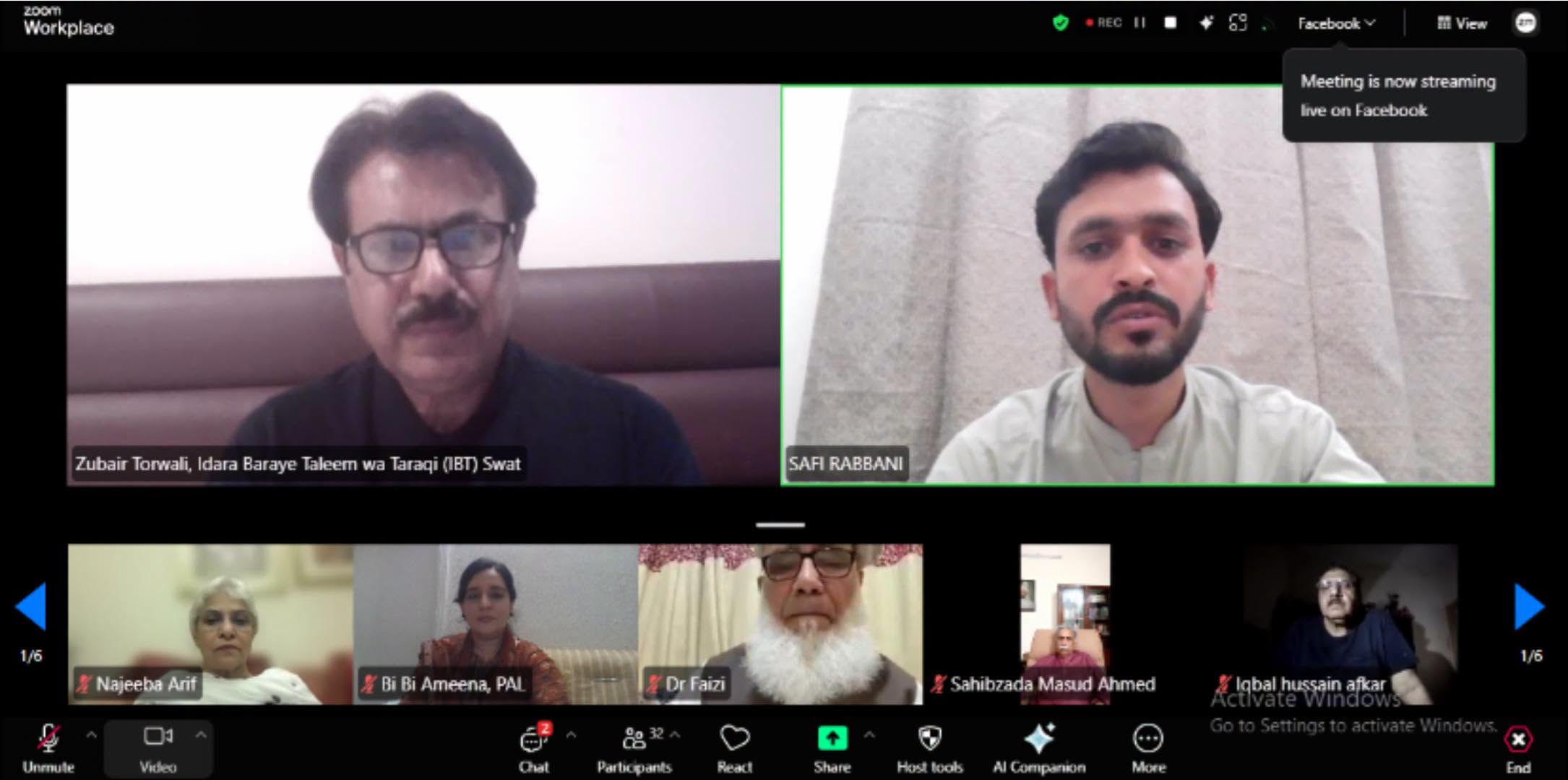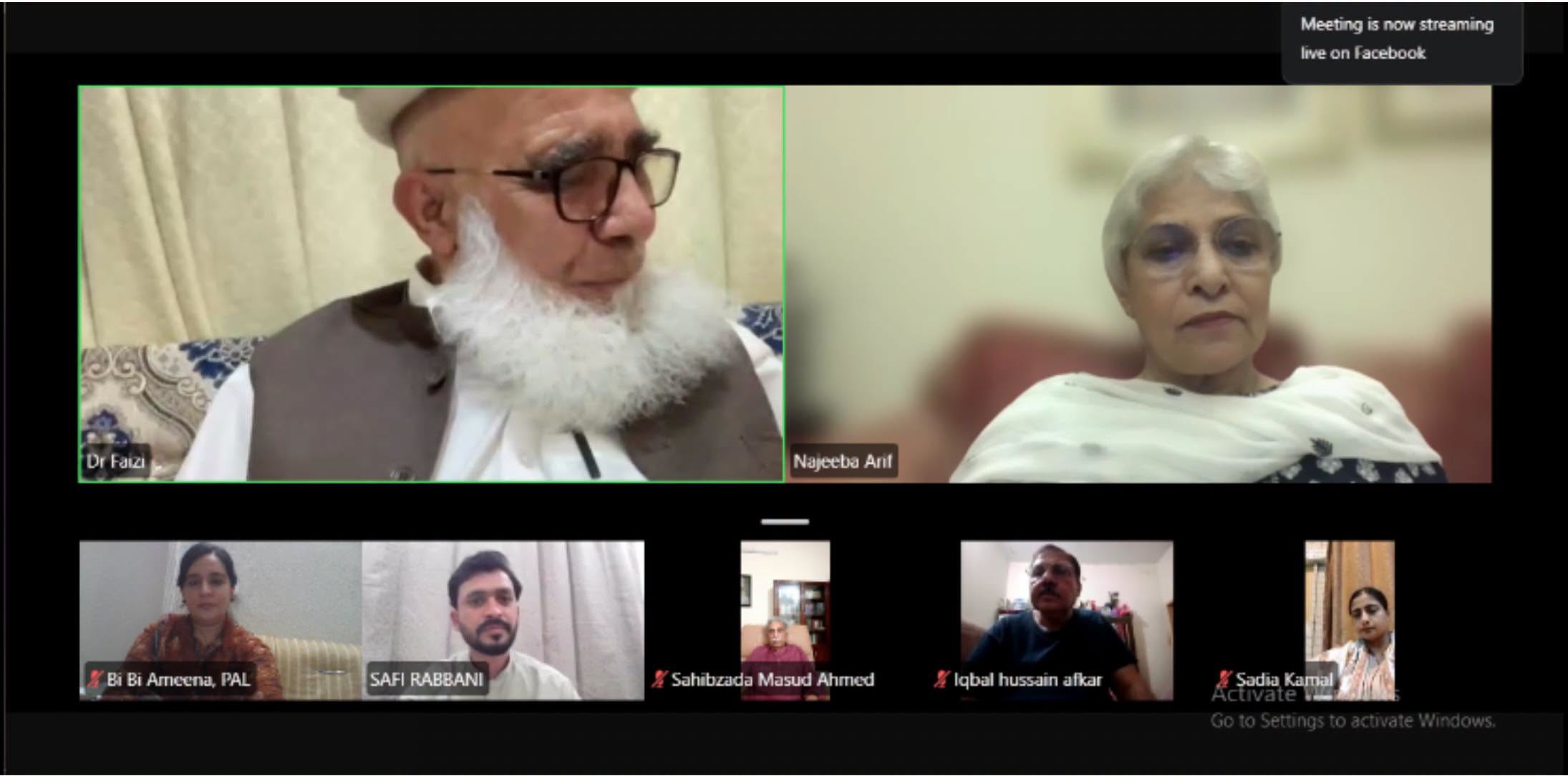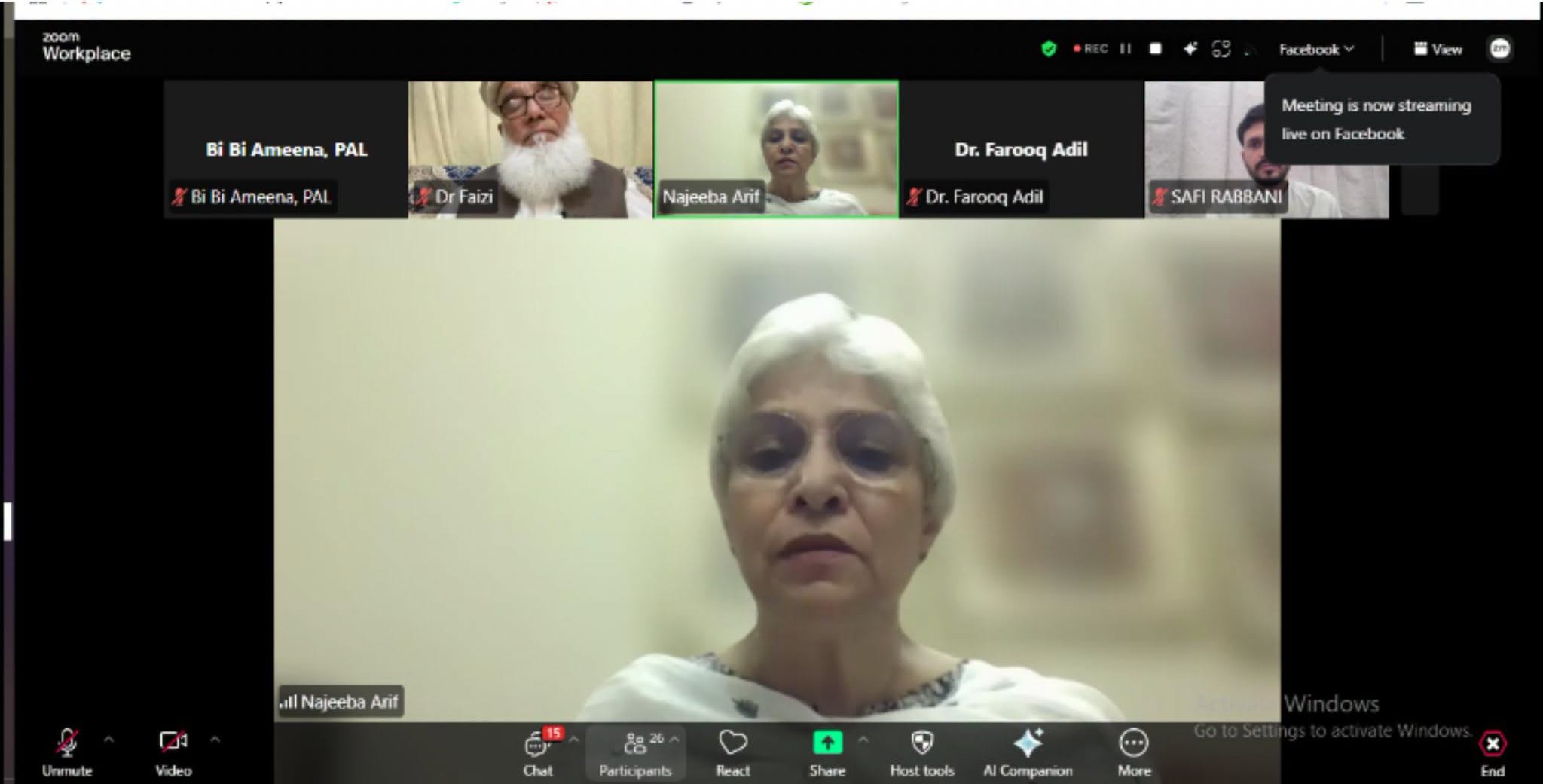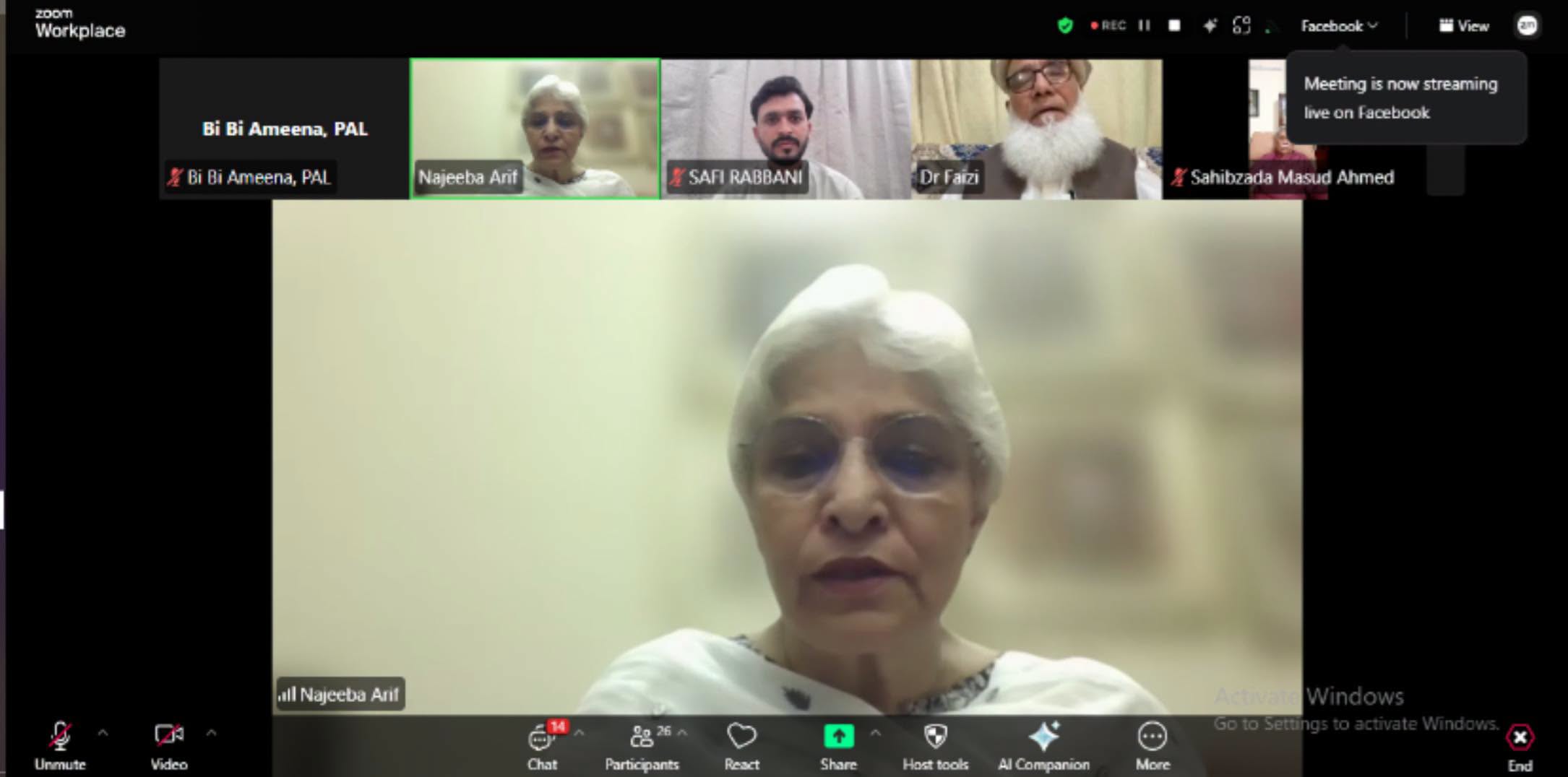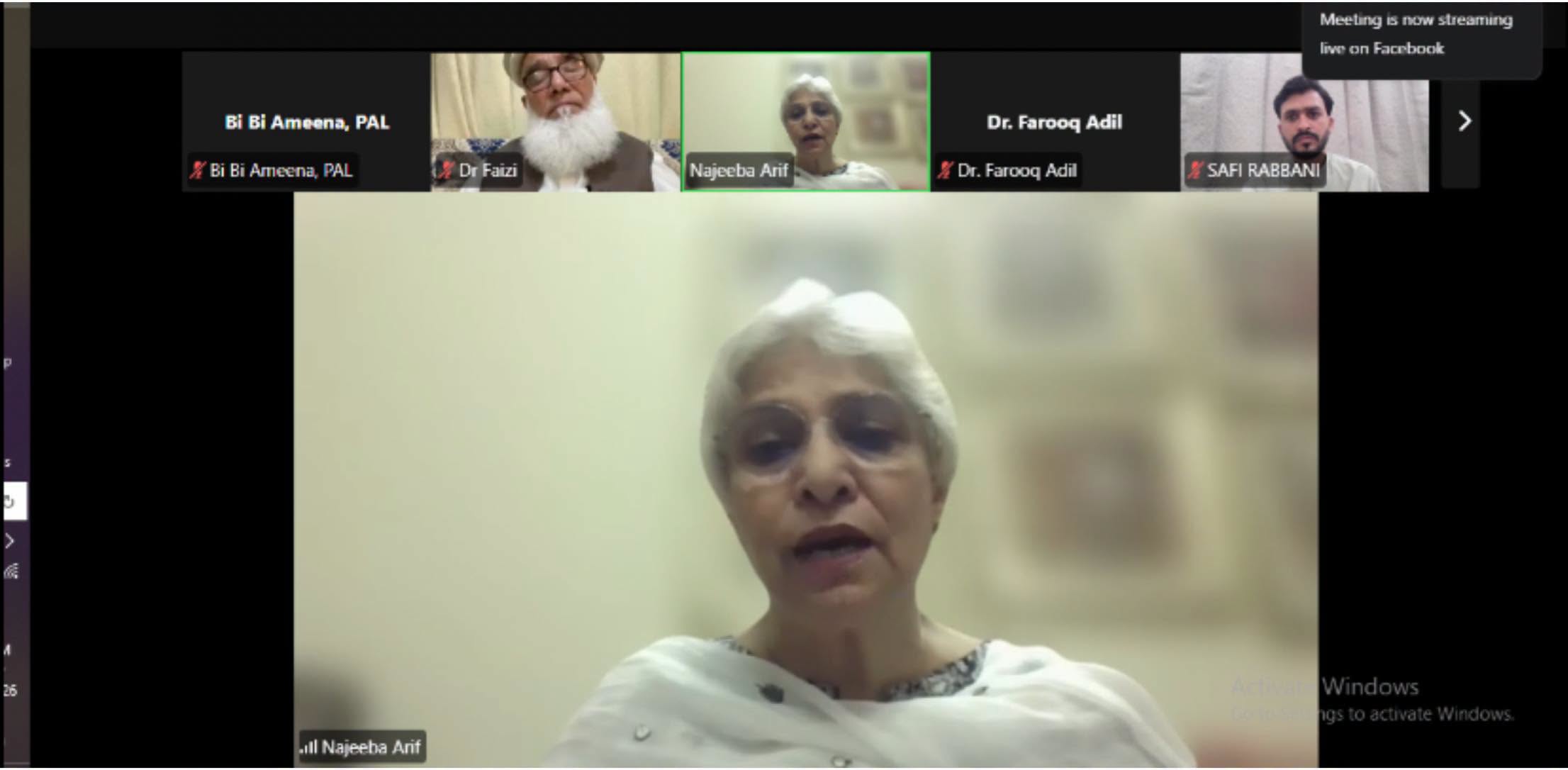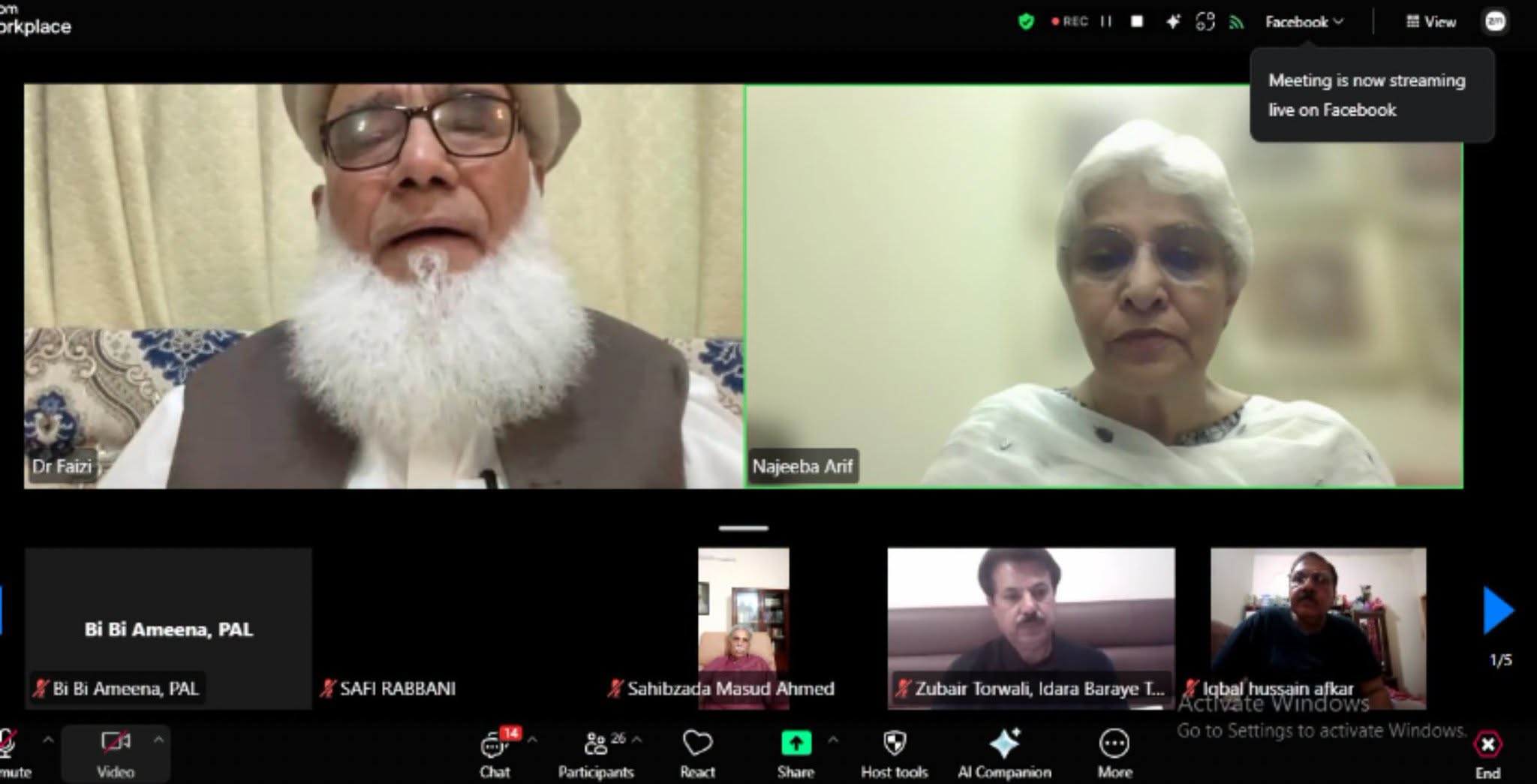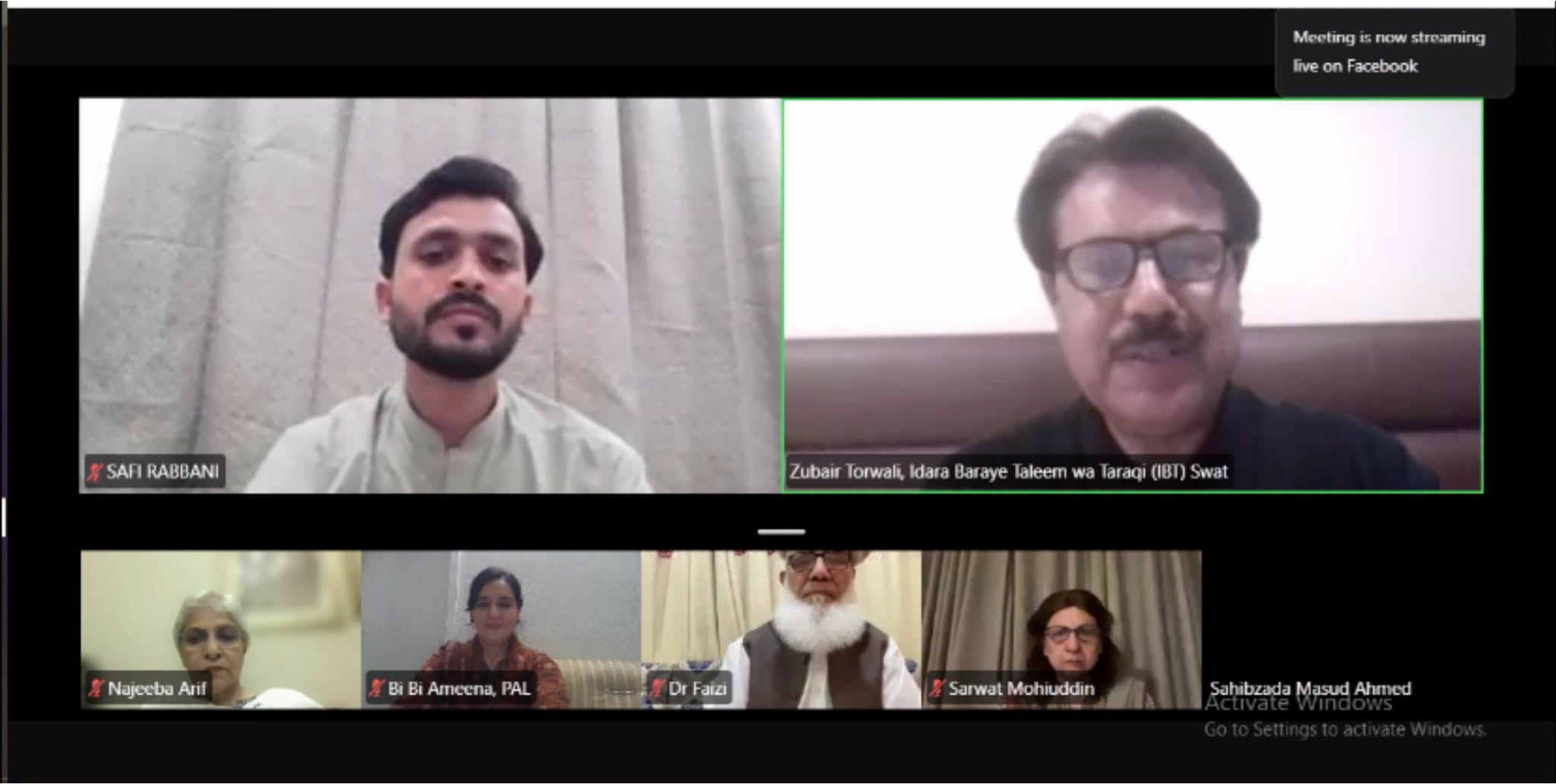
Islamabad (PR): The fourth online extended lecture organized by the Pakistan Academy of Letters, titled “Promotion of Pakistani Languages: Current Situation and Future Prospects,” was held on Friday, 19 June 2026, via Zoom and Facebook. The session was presided over by distinguished poet, linguist, historian, and columnist Dr. Inayatullah Faizi, while the keynote lecture was delivered by renowned linguist, researcher, and educationist Mr. Zubair Torwali. The event was moderated by poet and researcher Safi Rabbani.
In his lecture, Zubair Torwali stated that according to the 2026 edition of the German linguistic institution Ethnologue, 76 languages are spoken in Pakistan. He noted that Ethnologue is a highly credible source and that, as in many parts of the world, languages spoken in Pakistan face various challenges in the modern age of technology and globalization. He explained that major languages such as Sindhi, Punjabi, Pashto, Balochi, Brahui, Saraiki, and Urdu may be discussed in the context of language decline but cannot be categorized as endangered languages. However, languages without a standardized script and those that rely on the Urdu script for written communication face greater risks.
He emphasized that the real development of languages is only possible when they become part of the economy, education system, and curriculum. He observed that many institutions working for language promotion depend heavily on external funding and stressed that the government and national institutions must play a more active role in this field. Appreciating the efforts of the Pakistan Academy of Letters, he suggested that languages should be systematically classified according to the degree of risk they face so that practical measures can be taken accordingly.
While moderating the session, Safi Rabbani stated that writers, poets, and researchers associated with every language have a responsibility to contribute positively and effectively to the preservation, promotion, and development of their languages.
In his presidential address, Dr. Inayatullah Faizi described Zubair Torwali’s lecture as comprehensive, well-argued, and thought-provoking. He pointed out that approximately 150 years ago, during British rule, a significant and comprehensive district-based linguistic survey was conducted. He also highlighted the valuable research contributions of Dr. Tariq Rahman in the field of linguistics after the creation of Pakistan. Furthermore, he noted that in 2011, the Government of Khyber Pakhtunkhwa passed a resolution through which five major provincial languages were incorporated into the education curriculum. According to him, languages lacking strong support from population, education, and media are more vulnerable to decline. He also praised the efforts of the Pakistan Academy of Letters in promoting Pakistani languages.
In her concluding remarks, Dr. Najeeba Arif, Chairperson of the Pakistan Academy of Letters, thanked all guests and participants. She stated that the linguistic diversity of Pakistan is a source of the country’s cultural and intellectual strength. She emphasized that in this era of globalization and centralization, institutions, writers, intellectuals, and concerned individuals must work together to preserve, protect, and promote languages. She further informed participants that last year the Pakistan Academy of Letters established a Museum of Languages of Pakistan, where classical manuscripts and important literary materials from various languages have been preserved so that future generations can remain connected to their linguistic heritage.
The online session was attended by a large number of scholars, writers, researchers, and intellectuals, including Farhatullah Babar, Sarwat Mohiuddin, Sahibzada Masood Ahmad, Professor Akram Chaudhry, Dr. Zia-ur-Rehman Baloch, Iqbal Hussain Afkar, Rehman Hafeez, Dr. Aziz Faisal, Dr. Amjad Kallu, Dr. Kamran Kazmi, Muhammad Sajid, Azhar Majoka, Tehmina Ali, Dr. Saadia Kamal, Riaz Adil, Aqeel Baloch, Irfan, Tayyaba Tehseen, Dr. Shiraz Fazal Dad, Dr. Shahida Rasool, Sardar Yousafzai, Dr. Manzoor Ali Wessrio, Waseem Faqeer, Dur-e-Shehwar, Kiran Noreen, Dr. Farooq Adil, Professor Dr. Wasima Shahzad, Dr. Mehnaz Anjum, Yasar Kiani, Tanveer Alam, Javed Iqbal Javed, Farukh Jamal, and many others.